
Faded fruits gummies Understanding Cannabis-Infused Gummies: Ingredients, Production, Storage, and Consumer Trends
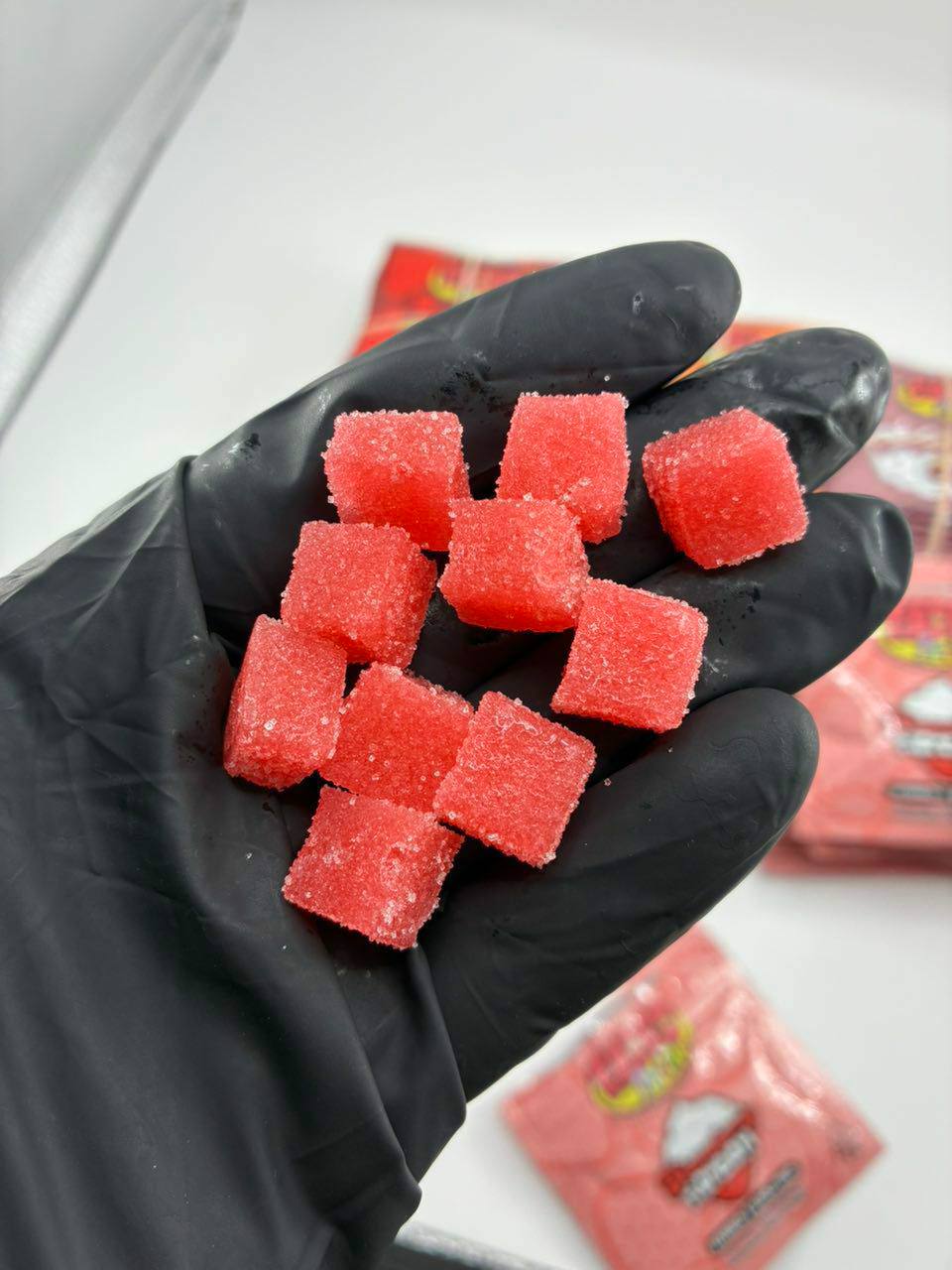
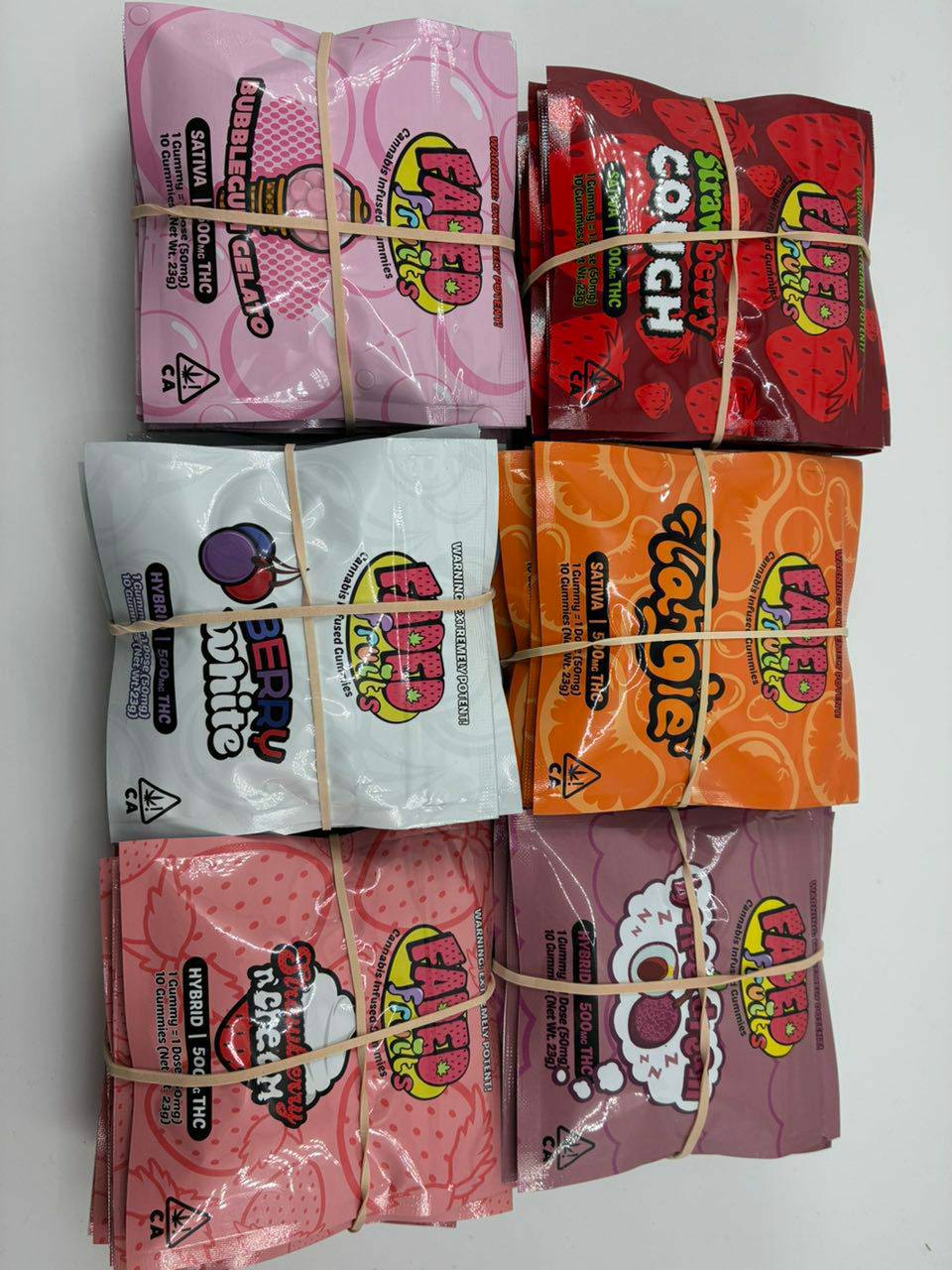
Faded fruits gummies Cannabis-infused gummies are a category of edible products that combine flavoring ingredients with cannabis-derived compounds. They are commonly produced in a wide range of flavors, textures, and formulations. As the edible cannabis market has expanded, gummies have become one of the most recognizable product formats due to their portability, consistency, and ease of storage.
What Are Cannabis Gummies?
Cannabis gummies are edible confectionery products that incorporate cannabis-derived ingredients into a gummy candy base. Manufacturers often use fruit flavors, sweeteners, pectin or gelatin, and various natural or artificial flavoring compounds to create distinctive taste profiles.
The gummy format differs from inhalable products because the ingredients are processed through the digestive system. As a result, onset time, duration, and consumer experience can vary significantly from other product categories.
Common Ingredients
Most cannabis gummies contain a combination of the following ingredients:
- Sweeteners
- Fruit concentrates or flavorings
- Pectin or gelatin
- Citric acid
- Coloring agents
- Cannabis-derived ingredients
- Preservatives and stabilizers
Different manufacturers may adjust recipes to achieve specific textures, flavor intensity, or shelf stability.
Manufacturing Process
The production process generally begins with the preparation of a gummy mixture. Ingredients are blended under controlled conditions to ensure consistency. The mixture is then heated, flavored, and poured into molds.
After molding, gummies are cooled and cured. Packaging follows once texture and quality standards have been verified. Quality-control procedures may include testing for consistency, purity, and ingredient accuracy where regulations require such assessments.
Flavor Development
Flavor remains one of the most important factors in gummy product development. Manufacturers often explore combinations of fruit-inspired profiles, citrus blends, berry varieties, tropical flavors, and dessert-inspired options.
Flavor balancing requires careful formulation because sweetness, acidity, and texture interact to create the final sensory profile.
Texture and Consistency
Texture can influence consumer perception just as strongly as flavor. Some gummies emphasize a softer chew, while others feature a firmer consistency.
Pectin-based formulations often appeal to consumers seeking plant-derived ingredients. Gelatin-based products may provide a different texture profile and mouthfeel.
Packaging Considerations
Packaging serves several purposes:
- Product protection
- Freshness preservation
- Information display
- Child-resistant functionality where required
- Storage guidance
Manufacturers frequently select packaging materials that help reduce exposure to moisture, heat, and light.
Storage Practices
Storage conditions can influence product quality over time. Many gummies remain more stable when kept in cool, dry environments away from direct sunlight.
Excessive heat may alter texture. Likewise, prolonged exposure to moisture can affect consistency and shelf life.
Consumer Trends
The edible cannabis category has experienced substantial growth in many regulated markets. Consumers often seek variety in flavor, texture, formulation, and packaging.
Several trends continue shaping the industry:
- Fruit-inspired flavor combinations
- Premium ingredient sourcing
- Plant-based formulations
- Sustainable packaging initiatives
- Improved product transparency
These developments reflect broader shifts within the consumer packaged goods sector.
Quality and Safety Considerations
Product quality depends on multiple factors, including ingredient sourcing, manufacturing standards, testing procedures, and storage conditions.
Regulated markets frequently establish requirements related to labeling, packaging, and laboratory verification. These measures help improve transparency and consistency within the industry.
Market Evolution
As consumer preferences evolve, manufacturers continue exploring new formulations and production techniques. Innovation remains a significant factor in category growth, particularly regarding flavor development, ingredient selection, and packaging design.
Industry participants also focus on improving manufacturing efficiency while maintaining consistent quality standards.
Conclusion
Cannabis-infused gummies represent a distinct segment within the broader edible product category. Their popularity is linked to flavor variety, portability, and product consistency. At the same time, manufacturing quality, storage conditions, ingredient selection, and regulatory compliance all contribute to overall product characteristics.
As the market continues to mature, innovation in formulation, packaging, and quality assurance is likely to remain an important area of development.
Understanding Onset Time and Duration
Cannabis-infused gummies typically differ from inhaled products in how they are processed by the body. After consumption, the digestive system breaks down the gummy matrix before the active compounds are metabolized in the liver. Because of this pathway, effects may take longer to become noticeable compared to inhalation methods.
Onset time is influenced by several factors:
- Individual metabolism rate
- Recent food intake
- Product formulation and concentration
- Digestive efficiency
As a result, the experience can vary significantly between individuals. Duration also tends to extend longer than inhaled forms, since metabolites are released gradually into the bloodstream over time.
Variability in Consumer Experience
Consumer experiences with gummies are not uniform. Different physiological and environmental factors can influence perception. These factors include body composition, tolerance level, hydration, and even psychological expectations.
In controlled discussions of edible products, variability is considered normal rather than exceptional. This is why standardized labeling and consistent manufacturing practices are emphasized in regulated markets.
Role of Dosage Awareness
Dosage awareness is an important aspect of edible consumption education. Because effects are delayed, some users may underestimate potency if they do not wait sufficient time before additional intake.
General educational guidance often highlights:
- Waiting adequate time before re-dosing
- Understanding labeled concentration information
- Starting with lower exposure levels when unfamiliar with a product type
This approach is intended to improve predictability and reduce unintended overconsumption.
Ingredient Stability and Shelf Life
Shelf life in gummy products is affected by formulation and storage conditions. Ingredients such as sugars, acids, and stabilizers contribute to overall stability. However, environmental exposure can still alter texture and flavor over time.
Common degradation factors include:
- Heat exposure, which may soften structure
- Humidity, which can affect stickiness and consistency
- Light exposure, which may influence color and flavor stability
Proper packaging is therefore essential in preserving product integrity.
Packaging Innovation in the Edible Industry
Packaging design in the edible sector has evolved significantly. Modern packaging often prioritizes both functionality and compliance. Child-resistant closures are widely used in regulated environments, and tamper-evident seals help indicate product integrity.
Additionally, branding design is frequently used to communicate flavor identity and product category, although informational labeling remains central for consumer clarity.
Regulatory Landscape Overview
Regulation of cannabis-infused edibles varies widely depending on jurisdiction. In some regions, strict labeling requirements, laboratory testing, and packaging standards are enforced. In others, regulations may be less defined or still developing.
Common regulatory elements include:
- Ingredient disclosure requirements
- THC/CBD concentration labeling (where applicable)
- Packaging safety standards
- Prohibition of misleading health claims
These frameworks aim to improve transparency and consumer protection.
Manufacturing Quality Control
Quality control plays a critical role in edible production. Manufacturers often implement multiple testing stages throughout production to ensure consistency and safety compliance where required.
Quality control measures may include:
- Batch consistency checks
- Ingredient verification
- Microbial safety screening (in regulated environments)
- Weight and dosage uniformity testing
Such practices help maintain product reliability across production cycles.
Sensory Design and Consumer Expectations
Sensory design in gummies extends beyond flavor alone. Texture, aroma, appearance, and aftertaste all contribute to overall perception.
Manufacturers often refine these elements through iterative formulation processes. Consumer expectations in this category are shaped by both confectionery standards and broader edible product experiences.
Industry Trends and Product Development
The edible industry continues to evolve with a focus on refinement and diversification. Current trends include:
- Increased interest in natural flavoring systems
- Use of plant-based gelling agents
- Improved consistency in texture and dosing
- Expansion of fruit-inspired flavor profiles
- Enhanced packaging transparency and design clarity
These developments reflect a broader movement toward product standardization and improved consumer communication.
Responsible Storage and Handling
Proper storage remains a key factor in maintaining product quality. Edibles are generally recommended to be stored in controlled environments that limit exposure to heat, moisture, and direct sunlight.
Additionally, separation from everyday food items is often advised in households to avoid confusion or unintended consumption, especially in shared living environments.
Conclusion: The Evolving Role of Edibles
Cannabis-infused gummies occupy a distinct place within the broader edible category. Their popularity is linked to convenience, flavor variety, and ease of use. However, their characteristics are also shaped by complex factors including formulation, metabolism, storage, and regulatory context.
As research, manufacturing practices, and regulations continue to develop, the category is expected to become more standardized and transparent over time.
Flavor Chemistry in Gummy Formulations
Flavor development in gummy products is influenced by how taste compounds interact with sugar systems, acids, and gelling agents. Because gummies rely on a semi-solid structure, flavor release occurs gradually rather than instantly, which changes how sweetness and acidity are perceived.
In many formulations, flavor balance is achieved through:
- Controlled acid-sugar ratios for brightness and sweetness
- Layered flavoring systems that unfold during chewing
- Aroma compounds that enhance perceived fruit intensity
As chewing progresses, volatile compounds are released, which contributes to the perception of “full-bodied” fruit profiles even when the ingredient list remains relatively simple.
Texture Engineering and Product Consistency
Texture is one of the most technically important aspects of gummy production. A well-structured gummy must maintain firmness while still offering elasticity during chewing.
Manufacturers often adjust:
- Gel strength (from gelatin or pectin concentration)
- Water activity levels to control softness
- Cooking temperature to stabilize final structure
Consistency across batches is achieved through controlled mixing and standardized heating cycles. Even minor variations in these parameters can alter chewiness, density, or stickiness.
Role of Humectants and Stabilizers
Humectants are commonly used to retain moisture within gummy products. This helps prevent drying and maintains chewability over time. Stabilizers also contribute to structural integrity, ensuring the product does not break down prematurely.
These components work together to:
- Preserve softness during storage
- Reduce crystallization of sugars
- Maintain uniform texture across shelf life
Without these elements, gummies would be more susceptible to hardening or structural degradation.
Packaging Science and Environmental Protection
Packaging does more than contain the product. It actively protects against environmental factors that could degrade quality.
Modern edible packaging often incorporates:
- Moisture-barrier layers
- Light-resistant materials
- Airtight seals to reduce oxidation
These features help maintain product stability over extended periods. In some cases, multi-layer packaging systems are used to further enhance protection in variable climates.
Shelf Stability and Time-Based Changes
Over time, gummy products naturally undergo subtle changes in texture and flavor. These changes are influenced by environmental exposure and internal ingredient interactions.
Common time-based effects include:
- Gradual moisture loss, leading to firmer texture
- Softening in humid environments
- Slight fading of flavor intensity
Proper storage slows these processes, but does not eliminate them entirely.
Consumer Perception and Product Identity
Consumer perception of gummy products is shaped by both sensory experience and branding communication. Even in regulated contexts, visual design and flavor naming influence expectations before consumption occurs.
However, long-term product identity is more strongly defined by:
- Consistency of quality across batches
- Reliability of texture and flavor delivery
- Transparency in labeling and formulation
These elements often determine repeat consumer interest more than initial marketing impressions.
Market Segmentation in Edible Products
The edible category is not uniform. It is segmented by formulation type, flavor profile, dietary preference, and intended user experience.
Common segments include:
- Fruit-flavored gummies
- Sour-coated variations
- Vegan or plant-based formulations
- High-texture or soft-chew variants
Each segment reflects different manufacturing priorities and consumer expectations.
Standardization Challenges in the Industry
Despite growth in the edible market, standardization remains a challenge. Differences in manufacturing methods, ingredient sourcing, and regional regulations can result in variability between similar product types.
Efforts toward standardization typically focus on:
- Unified labeling systems
- Improved batch testing protocols
- Clearer ingredient disclosure practices
These efforts aim to improve consumer understanding and product consistency across markets.
Scientific Interest in Edible Delivery Systems
Edible delivery systems are of interest in food science due to their controlled-release characteristics. The digestion-based absorption pathway offers a different kinetic profile compared to other consumption methods.
Research often examines:
- Absorption timing variability
- Interaction with dietary fats and carbohydrates
- Metabolic processing differences among individuals
These studies contribute to a broader understanding of how edible matrices influence compound delivery.
Future Directions in Gummy Innovation
The future of gummy product development is likely to emphasize refinement rather than radical change. Manufacturers continue exploring improvements in:
- Texture precision and chew consistency
- Natural ingredient integration
- Sugar reduction strategies
- Enhanced shelf stability systems
Advancements in food technology may also introduce more precise control over flavor release and structural uniformity.
Summary of Key Insights
Cannabis-infused gummies, as a product category, represent a convergence of food science, sensory design, and regulatory oversight. Their development requires careful balancing of flavor, texture, stability, and packaging integrity.
While consumer interest continues to grow, the industry’s evolution depends on improved standardization, clearer labeling practices, and ongoing innovation in edible formulation science.
Digestion and Bioavailability in Edible Products
The process of digestion plays a central role in how edible products are experienced. After consumption, gummies are broken down in the stomach before active compounds are processed in the liver. This metabolic pathway is often referred to as first-pass metabolism.
During this process, compounds are converted into metabolites that may differ in potency and duration compared to their original form. Because digestion speed varies among individuals, the resulting experience is not uniform.
Several factors influence bioavailability:
- Presence of food in the stomach
- Individual metabolic rate
- Enzyme activity in the liver
- Hydration and general health conditions
As a result, timing and intensity can differ significantly even when the same product is consumed under similar conditions.
Influence of Dietary Factors
Dietary composition can influence how edible products are processed. Meals that are higher in fat content may slow gastric emptying, which can extend the onset time of effects. In contrast, an empty stomach may lead to faster absorption but shorter initial stability in perception.
Carbohydrate-rich environments can also affect digestion speed, although the impact varies widely depending on individual physiology.
Because of these interactions, the same edible product may produce different experiences depending on when and how it is consumed.
Storage Environment and Chemical Stability
Environmental stability is a critical factor in preserving gummy quality. Chemical compounds within gummies can gradually degrade if exposed to unfavorable conditions.
Temperature fluctuations are one of the most influential factors. High temperatures may soften structural integrity, while very low temperatures may alter texture elasticity. Humidity is equally important, as excessive moisture can disrupt the balance of sugars and stabilizers.
Light exposure can also contribute to gradual degradation, particularly in color-sensitive formulations. For this reason, opaque and sealed packaging is often preferred in long-term storage scenarios.
Manufacturing Scalability and Quality Control Systems
As demand for gummy products increases, manufacturers often scale production using automated systems. These systems are designed to maintain consistency across large batches while minimizing human error.
Key elements of scalable production include:
- Automated mixing and dosing systems
- Temperature-controlled cooking environments
- Precision molding equipment
- Inline quality inspection mechanisms
Quality control checkpoints are integrated throughout production to ensure uniformity. These checkpoints help identify inconsistencies early in the manufacturing process.
Product Consistency Across Batches
Consistency is a major concern in edible production. Even minor variations in ingredient ratios or processing conditions can affect texture, flavor, or structural integrity.
To address this, manufacturers often implement standardized formulations and strict measurement controls. Batch testing may also be conducted to ensure that each production run meets established specifications.
Consistency contributes to consumer trust and long-term product reliability.
Sensory Perception and Expectation Bias
Consumer perception is influenced not only by the physical properties of a product but also by expectation bias. Visual appearance, flavor naming, and packaging design can shape how a product is experienced before it is even consumed.
Sensory perception includes:
- Taste intensity and sweetness perception
- Aroma release during chewing
- Texture response during mastication
- Aftertaste duration and clarity
These sensory components interact to create an overall experience that is both physiological and psychological.
Regulatory Compliance and Consumer Safety Frameworks
In regulated markets, edible products are subject to compliance frameworks designed to ensure safety and transparency. These frameworks often require detailed labeling, ingredient disclosure, and production oversight.
Common regulatory requirements may include:
- Clear ingredient lists
- Allergen declarations
- Batch identification codes
- Child-resistant packaging standards
These measures are intended to reduce risk and improve consumer understanding of product contents.
Technological Advances in Flavor Encapsulation
Recent advances in food science have introduced flavor encapsulation techniques. These methods allow flavor compounds to be released gradually during consumption rather than all at once.
Encapsulation can improve:
- Flavor longevity
- Stability during storage
- Controlled release during chewing
This technology is increasingly used to refine gummy products and enhance sensory consistency.
Market Growth and Consumer Diversification
The edible product market continues to expand across multiple consumer segments. Growth is driven by diversification in flavor profiles, dietary preferences, and product formats.
Consumers are increasingly interested in:
- Reduced-sugar formulations
- Plant-based ingredients
- Novel fruit and exotic flavor combinations
- Consistent and predictable product experiences
This diversification reflects broader trends in the global confectionery and wellness-related food industries.
Product Lifecycle and End-of-Life Considerations
Like all packaged food products, gummies have a defined lifecycle that includes production, distribution, storage, and eventual consumption or disposal. Over time, products naturally degrade in quality due to environmental exposure and ingredient breakdown.
Responsible disposal practices are encouraged for expired or degraded products, particularly in regions where environmental waste management systems are in place.
Conclusion: Integration of Science, Design, and Consumer Experience
Cannabis-infused gummies represent a complex intersection of food science, sensory engineering, and regulatory structure. Their development involves careful balancing of texture, flavor, stability, and compliance considerations.
As the industry continues to evolve, improvements in manufacturing precision, ingredient transparency, and packaging innovation are expected to further enhance product consistency and consumer understanding. Ultimately, gummies remain a dynamic category shaped by both scientific advancement and changing consumer expectations.


Reviews
There are no reviews yet.