
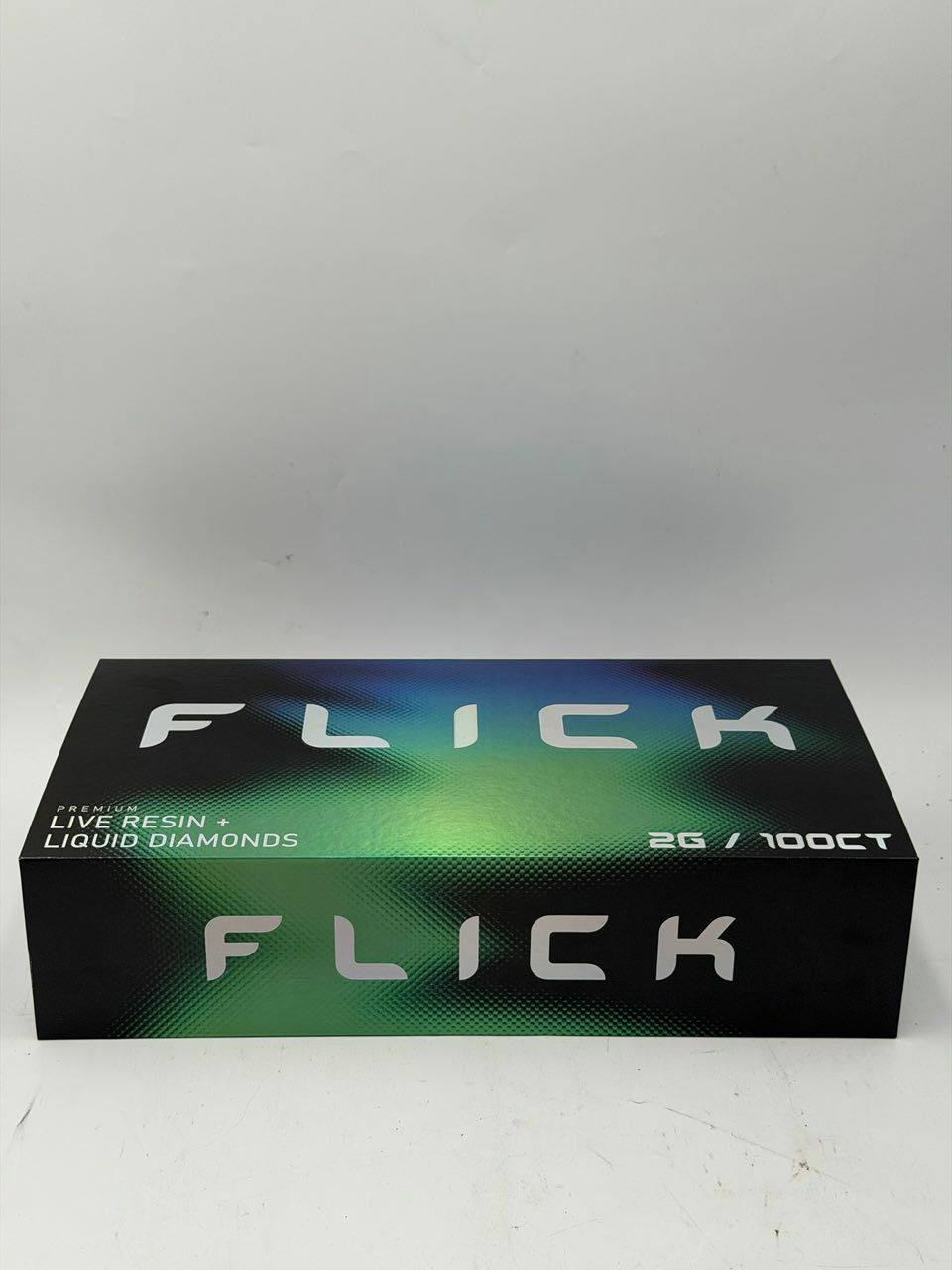
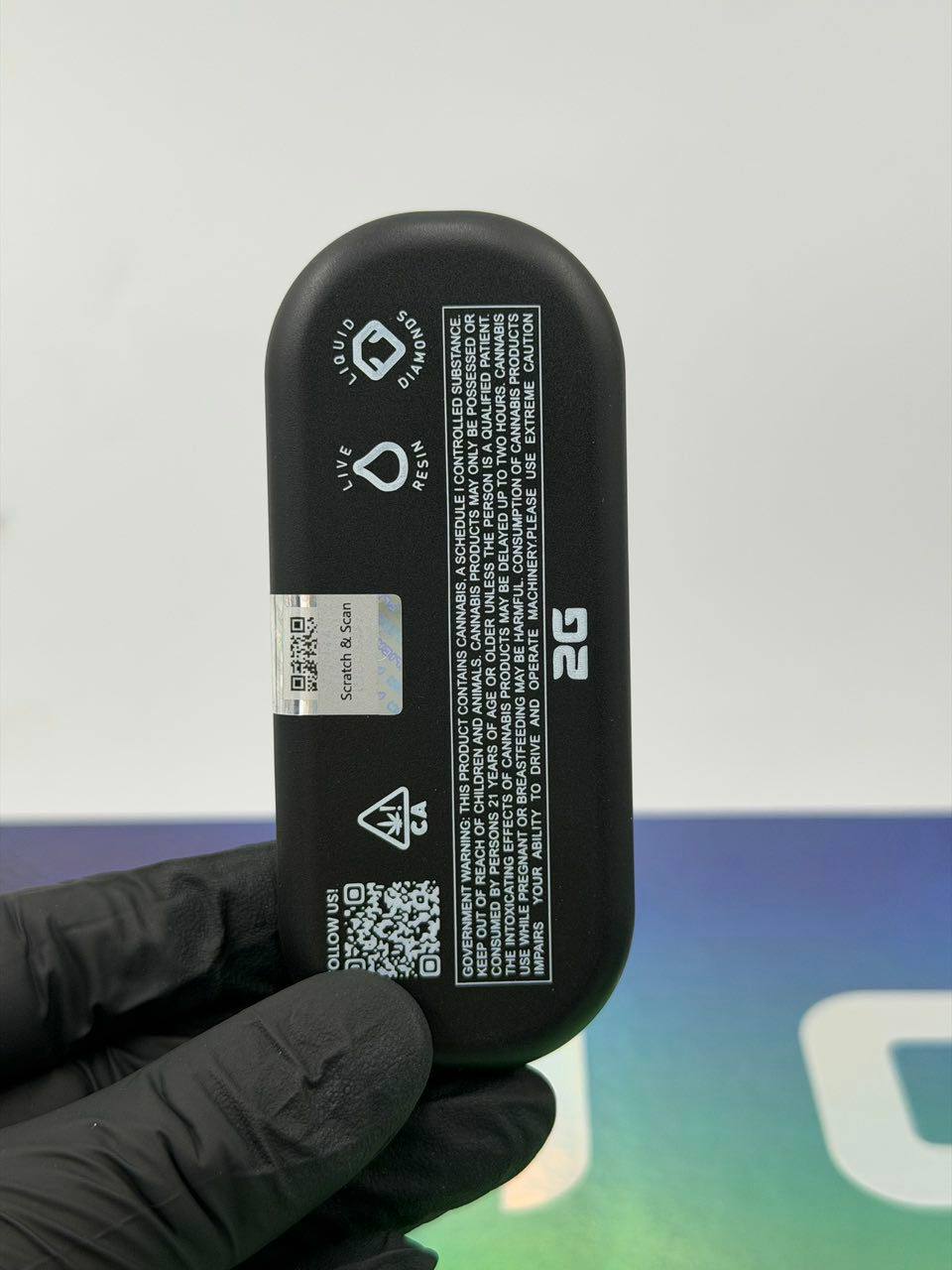
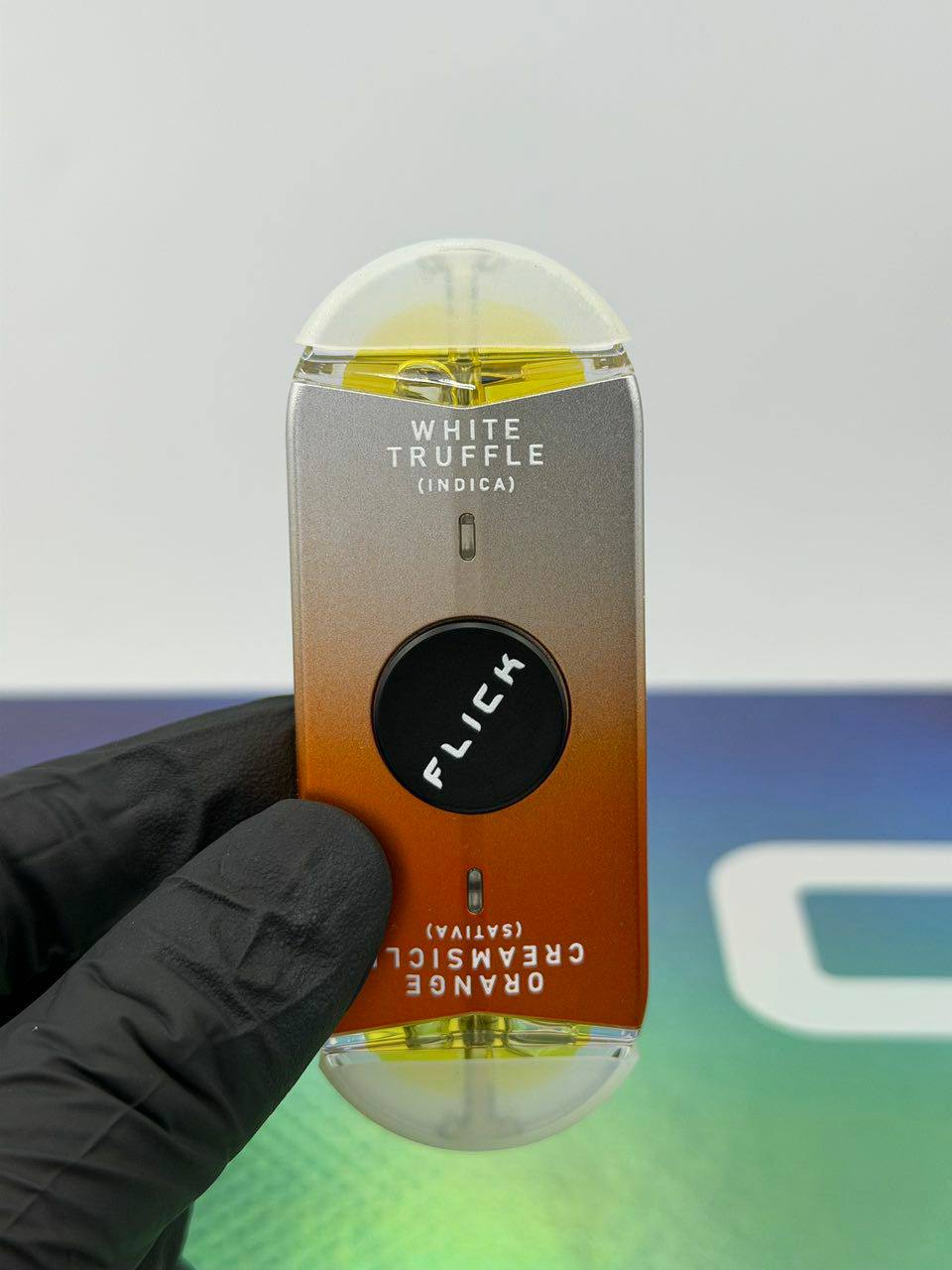
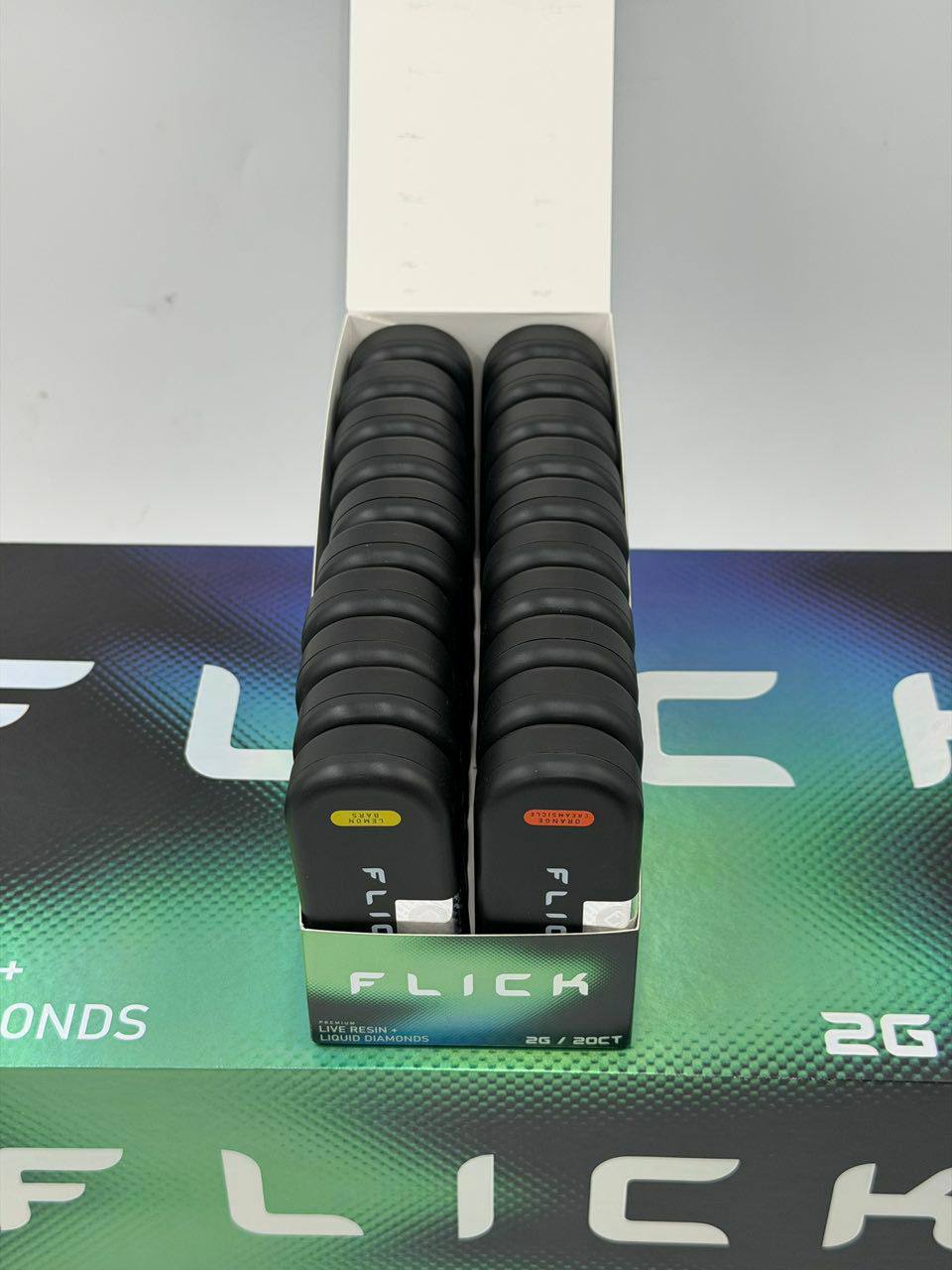
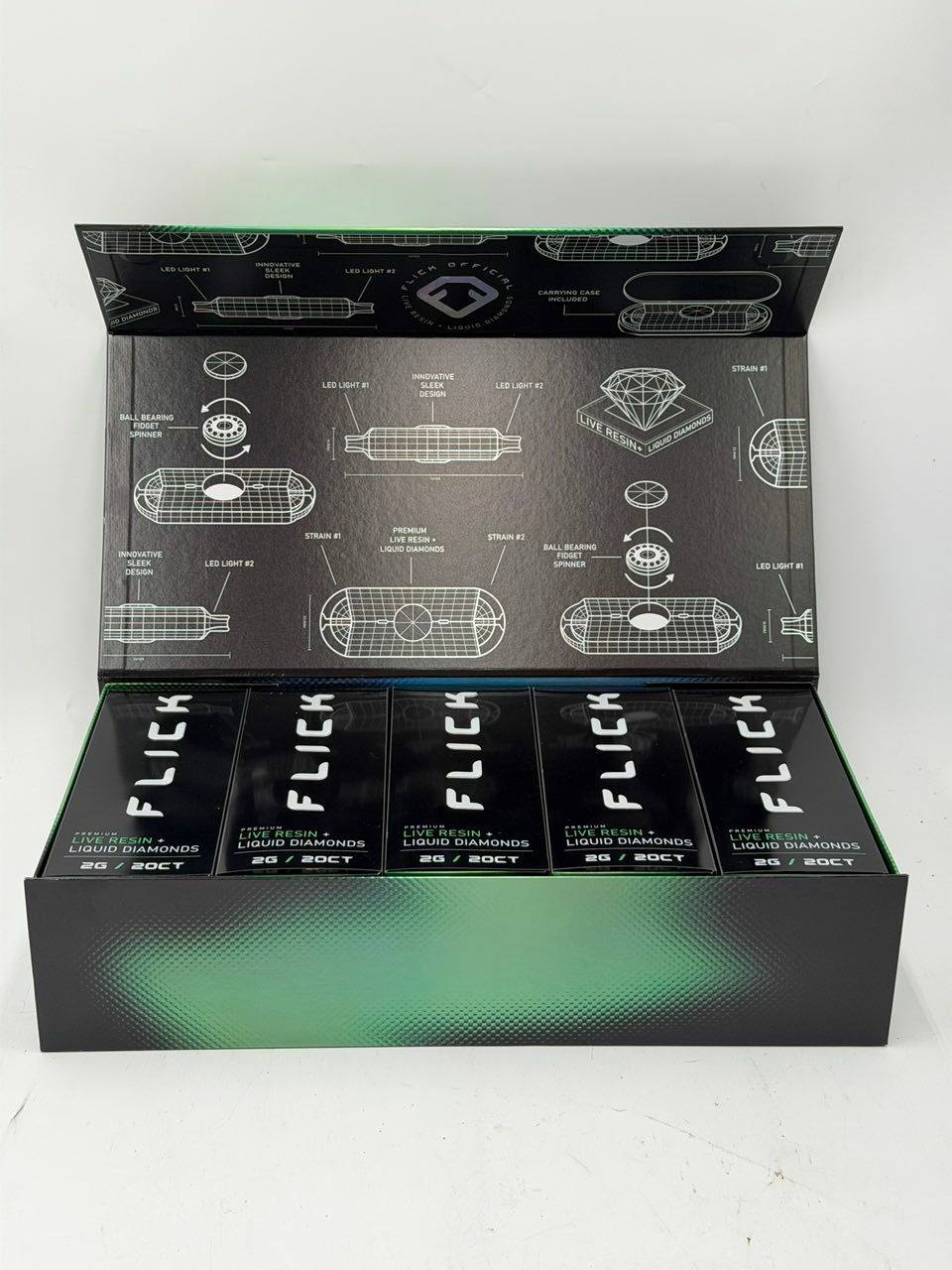
Flick 2G Disposable Device: Product Overview
The Flick 2G Disposable is a compact, single-use vaporizer device designed for portability and convenience. The device features an integrated battery and a pre-filled reservoir system housed within a lightweight enclosure. Its all-in-one construction eliminates the need for separate charging accessories, replacement coils, or refill procedures during normal operation.
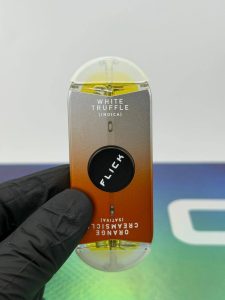
The exterior design emphasizes ease of handling through a streamlined form factor. Additionally, the compact size supports storage in pockets, bags, and other small carrying spaces. The device incorporates a mouthpiece, internal heating mechanism, battery unit, and reservoir chamber within a unified structure.
Key characteristics may include:
- Disposable all-in-one design
- Integrated battery system
- Compact and portable construction
- Ready-to-use configuration
- Lightweight housing
- Simplified operation
- Consistent vapor production technology
The device is intended to provide a straightforward user experience through its integrated design. Furthermore, the absence of removable components reduces maintenance requirements compared with refillable alternatives. Product specifications, battery capacity, material composition, operating temperature range, and storage recommendations may vary depending on the manufacturer and production batch.
For optimal performance, the device should be stored in accordance with manufacturer guidelines. Exposure to excessive heat, moisture, or direct sunlight may affect product longevity and overall functionality. Users should review all packaging information and safety documentation before use.
This overview is provided for informational purposes and focuses on device characteristics, construction, and general handling considerations rather than promotional claims.
Design and Construction
The overall construction of the Flick 2G Disposable reflects modern portable device design principles. The exterior housing typically combines durability with a lightweight profile, allowing the device to remain comfortable during everyday transport. As a result, users often appreciate the compact dimensions and streamlined appearance.
The device integrates several components into a single unit. These components generally include the battery system, heating element, reservoir chamber, airflow pathway, and mouthpiece. Because these parts are housed within one enclosure, the device maintains a clean appearance and minimizes the need for assembly.
Moreover, the exterior surface is often engineered to provide a secure grip. Smooth contours contribute to comfortable handling, while carefully positioned airflow channels support consistent operation. The compact design also reduces bulk, making storage more convenient in a variety of settings.
Portability Benefits
Portability remains one of the defining characteristics of disposable vaporizer devices. The Flick 2G Disposable is designed to fit comfortably into pockets, handbags, backpacks, and travel organizers. Consequently, users can transport the device without carrying additional accessories.
The lightweight construction further supports portability. In addition, the integrated design eliminates the need for separate tanks, replacement coils, or charging cables during normal use. This simplified configuration contributes to a more streamlined ownership experience.
Internal Components
Several internal systems work together to support device functionality. The battery provides electrical power, while the heating element converts energy into heat. Meanwhile, the airflow system guides vapor through the internal pathway and toward the mouthpiece.
The reservoir chamber is engineered to hold the device contents securely. Furthermore, sealing technologies may help reduce leakage and maintain product integrity during storage and transportation. These design considerations contribute to overall reliability.
Battery Technology
Battery performance plays a significant role in the functionality of disposable vaporizer devices. The Flick 2G Disposable incorporates an integrated battery designed to support operation throughout the intended lifespan of the product.
Modern battery systems are typically engineered to balance power output, efficiency, and safety. As a result, manufacturers often incorporate multiple protective features that help regulate device operation under normal conditions.
Power Management
Power management systems help control energy delivery between the battery and heating element. Consequently, the device can maintain consistent performance throughout its operational cycle.
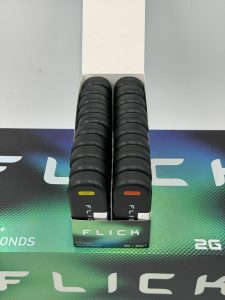
In many disposable devices, automatic activation technology eliminates the need for physical buttons. Instead, airflow detection mechanisms initiate operation when the user inhales through the mouthpiece. This approach simplifies functionality and reduces the number of external controls.
Efficiency Considerations
Battery efficiency affects overall performance. Therefore, manufacturers often focus on optimizing energy utilization within the device. Efficient power distribution helps support consistent operation while minimizing unnecessary energy loss.
Additionally, integrated circuitry may assist with voltage regulation. Stable voltage output can contribute to predictable device behavior and a more uniform operating experience.
Heating System Overview
The heating system serves as one of the most important components within the device. Its primary function involves converting electrical energy into thermal energy. This process enables the device to generate vapor during operation.
Modern heating technologies emphasize consistency and efficiency. Consequently, many designs incorporate advanced materials that support reliable heat distribution.
Consistent Performance
Consistent heating can influence overall device functionality. Therefore, manufacturers often develop systems intended to distribute heat evenly across the heating element.
Uniform heat distribution may help reduce performance fluctuations. Furthermore, optimized heating designs can contribute to efficient energy usage and predictable operation throughout the device lifecycle.
Material Selection
Material selection remains an important aspect of heating system development. High-quality materials are often chosen because they support durability and thermal stability.
Moreover, carefully selected materials may contribute to overall device longevity. As manufacturing technologies continue to evolve, heating system designs frequently benefit from improved engineering and production methods.
User Experience Considerations
User experience encompasses several factors, including comfort, convenience, portability, and ease of operation. The Flick 2G Disposable is designed to simplify device interaction through its integrated configuration.
Simplified Operation
Many disposable devices emphasize straightforward functionality. As a result, users can typically begin operation without extensive setup procedures. The absence of complicated controls contributes to a more accessible experience.
Furthermore, automatic activation systems remove the need for buttons in many models. This feature supports ease of use and reduces operational complexity.
Ergonomic Design
Ergonomic design principles often influence the shape and structure of portable devices. Smooth edges, balanced weight distribution, and comfortable mouthpiece geometry may enhance handling characteristics.
In addition, compact dimensions allow the device to remain discreet during transportation and storage. These design elements collectively contribute to overall usability.
Manufacturing Standards
Manufacturing quality plays a crucial role in device performance and reliability. Production facilities often implement quality-control procedures designed to support consistency across manufacturing batches.
Quality Assurance
Quality assurance processes may include component inspections, assembly verification, and performance testing. Consequently, manufacturers can identify potential issues before products reach distribution channels.
Testing procedures often evaluate factors such as airflow performance, battery functionality, structural integrity, and overall device operation. These evaluations help support product consistency.
Material Quality
Material quality contributes significantly to durability and performance. Therefore, manufacturers frequently select materials that meet specific engineering and production requirements.
Additionally, material consistency may influence the overall lifespan of the device. Reliable materials help support structural integrity throughout transportation, storage, and normal handling conditions.
Storage Recommendations
Proper storage practices can help maintain device condition over time. Environmental factors such as temperature, humidity, and sunlight exposure may influence product performance.
Temperature Control
Moderate storage temperatures are generally recommended for electronic devices. Excessive heat may affect battery performance, while extremely cold conditions can influence operational efficiency.
Therefore, maintaining stable environmental conditions can help preserve product integrity during storage periods.
Protection from Moisture
Moisture exposure can affect electronic components. Consequently, storage in a dry environment is often recommended. Protective packaging may provide additional safeguards against environmental factors.
Furthermore, avoiding prolonged exposure to high humidity levels may help support long-term device preservation.
Packaging and Presentation
Packaging serves several important functions. It protects the device during transportation, provides product information, and supports retail presentation.
Manufacturers frequently incorporate protective materials that help minimize physical damage during shipping. Additionally, packaging often includes important documentation related to specifications, handling recommendations, and safety information.
Clear labeling contributes to product transparency. As a result, consumers can review relevant details before use. Packaging design may also reflect brand identity while maintaining practical functionality.
Product Lifecycle Considerations
Disposable devices are designed with a defined operational lifespan. Therefore, understanding lifecycle considerations can help users manage expectations regarding performance and longevity.
Several factors may influence product lifespan, including storage conditions, manufacturing specifications, and usage patterns. Consequently, performance characteristics can vary among individual units.
Manufacturers typically design disposable products to provide a balance between convenience and functionality. Furthermore, integrated construction supports straightforward operation throughout the intended lifespan of the device.
Conclusion
The Flick 2G Disposable combines portability, integrated construction, and simplified operation within a compact form factor. Its design incorporates multiple internal systems that work together to support functionality, reliability, and convenience. Additionally, careful attention to battery technology, heating performance, material selection, and quality assurance contributes to the overall device structure.
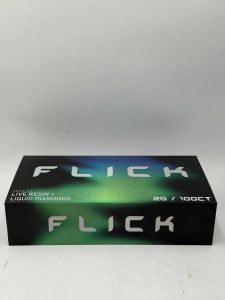
As consumer electronics continue to evolve, disposable vaporizer devices benefit from ongoing advances in engineering and manufacturing. Consequently, modern designs often emphasize efficiency, consistency, and user-friendly operation. Through its integrated architecture and portable dimensions, the Flick 2G Disposable represents a contemporary approach to compact device design and functionality.
Technology and Engineering Features
The engineering behind compact disposable devices has evolved significantly in recent years. Manufacturers increasingly focus on balancing portability, reliability, and efficiency while maintaining a user-friendly design. Consequently, devices such as the Flick 2G Disposable often incorporate multiple integrated systems that work together seamlessly.
Modern engineering techniques allow designers to optimize airflow pathways, battery efficiency, and structural durability within a relatively small footprint. Furthermore, advancements in manufacturing processes support improved consistency across production runs, which contributes to predictable performance and dependable operation.
Airflow Optimization
Airflow design plays an important role in the overall functionality of a disposable vaporizer device. Engineers typically evaluate airflow pathways to ensure smooth movement through the internal chamber. As a result, users often experience consistent operation throughout the product’s intended lifespan.
In addition, airflow systems are frequently designed to minimize resistance while maintaining stable performance characteristics. This balance helps support a comfortable user experience and promotes efficient operation of the internal heating mechanism.
Compact Component Integration
Integrating multiple components into a compact enclosure requires careful engineering. Battery systems, heating elements, reservoir chambers, and airflow channels must fit within limited space while maintaining functionality.
Therefore, manufacturers often rely on precision assembly techniques and advanced design software to optimize internal layouts. These efforts contribute to improved space utilization and help maintain structural integrity throughout the device.
Durability and Reliability
Reliability remains a key consideration in portable electronic device development. Consumers frequently expect consistent operation from products designed for everyday use. Consequently, manufacturers implement design strategies intended to support long-term durability.
Structural Integrity
The external housing serves as the primary protective barrier for internal components. Therefore, material selection is an important aspect of product development. Durable materials can help protect the device from minor impacts, scratches, and routine handling.
Additionally, internal supports may assist with component stabilization. These structural features help maintain alignment and contribute to overall product reliability.
Component Protection
Sensitive electronic components require protection from environmental influences. As a result, manufacturers often incorporate seals, barriers, and protective enclosures within the device architecture.
Furthermore, these protective measures can help reduce exposure to dust and moisture during normal storage conditions. Effective component protection contributes to dependable performance and enhanced longevity.
Product Aesthetics
Visual design has become increasingly important in consumer electronics. While functionality remains essential, aesthetics also influence purchasing decisions and brand perception.
Modern Appearance
Many contemporary disposable devices feature sleek lines, smooth surfaces, and minimalist styling. Consequently, products often achieve a modern appearance that aligns with current design trends.
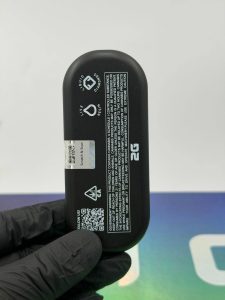
The Flick 2G Disposable may incorporate streamlined contours that enhance both visual appeal and handling comfort. Moreover, compact dimensions contribute to a clean and refined profile.
Surface Finishes
Surface finishes can influence both appearance and tactile feel. Manufacturers may utilize matte, satin, or textured finishes depending on design objectives. These finishes not only affect aesthetics but also contribute to grip and handling characteristics.
Additionally, quality surface treatments can improve resistance to visible wear, helping the device maintain its appearance during regular use.
Convenience and Accessibility
Convenience remains one of the primary reasons consumers choose disposable devices. Integrated construction eliminates several maintenance requirements associated with more complex systems.
Ready-to-Use Configuration
Many users appreciate products that require minimal preparation. Therefore, disposable devices are commonly designed with ready-to-use functionality. This approach simplifies ownership and reduces the learning curve associated with operation.
Furthermore, integrated systems eliminate the need for assembly, which contributes to overall convenience.
Travel-Friendly Characteristics
Compact size and lightweight construction make disposable devices suitable for transportation. Consequently, users can carry the device comfortably in a variety of situations.
Storage flexibility also supports convenience. Whether placed in a pocket, backpack, purse, or travel organizer, the device occupies relatively little space while remaining easily accessible.
Quality Control Procedures
Quality control serves as a critical element of modern manufacturing operations. Consistent production standards help ensure that products meet established performance and safety requirements.
Inspection Processes
Manufacturers often conduct multiple inspections throughout the production cycle. Initial inspections may focus on raw materials and incoming components. Subsequently, additional evaluations may occur during assembly and final packaging stages.
These procedures help identify potential inconsistencies before products enter distribution channels. As a result, overall manufacturing quality can remain more consistent.
Functional Testing
Functional testing evaluates operational performance under controlled conditions. Manufacturers may assess battery functionality, airflow characteristics, structural integrity, and activation responsiveness.
Additionally, testing protocols can help verify compliance with internal quality standards. Comprehensive testing contributes to improved product consistency and reliability.
Consumer Expectations
Consumer preferences continue to influence product development within the portable electronics industry. Manufacturers frequently adapt designs based on feedback, market trends, and technological advancements.
Ease of Use
Ease of use remains one of the most frequently cited priorities among consumers. Therefore, manufacturers often focus on intuitive operation and simplified product architecture.
Integrated designs reduce complexity while supporting straightforward functionality. Consequently, users can typically interact with the device without extensive instruction or technical knowledge.
Consistent Performance
Consumers generally value products that operate consistently throughout their intended lifespan. Therefore, manufacturers invest considerable effort in refining engineering processes and quality assurance systems.
Improved consistency enhances overall user satisfaction and supports positive perceptions of product quality.
Environmental Considerations
Environmental awareness has become increasingly important across numerous industries. Consequently, manufacturers continue exploring opportunities to improve sustainability and reduce environmental impact.
Material Efficiency
Material efficiency involves optimizing resource utilization during production. By reducing unnecessary waste, manufacturers can improve operational efficiency while supporting broader sustainability objectives.
Additionally, advances in production technology may contribute to more efficient manufacturing processes.
Responsible Disposal
Proper disposal practices play an important role in environmental stewardship. Consumers should follow applicable local regulations regarding electronic waste and battery-containing products.
Responsible disposal helps reduce environmental impact and supports appropriate recycling initiatives where available.
Future Developments
Technological innovation continues to shape the evolution of portable electronic devices. As research and development efforts advance, future products may incorporate new materials, improved energy systems, and enhanced manufacturing techniques.
Advanced Battery Solutions
Battery technology remains an active area of development. Researchers continue exploring opportunities to improve efficiency, capacity, and overall performance characteristics.
Consequently, future generations of disposable devices may benefit from advancements that support enhanced functionality and operational consistency.
Enhanced Manufacturing Techniques
Manufacturing innovation frequently leads to improved precision and product quality. Automated production systems, advanced quality-control methods, and refined assembly techniques contribute to ongoing industry progress.
Moreover, these developments can support greater consistency across manufacturing batches and improve overall production efficiency.
Final Overview
The Flick 2G Disposable represents a compact electronic device designed with portability, convenience, and integrated functionality in mind. Its architecture combines multiple internal systems within a streamlined enclosure, creating a product that emphasizes simplicity and accessibility.
Additionally, attention to airflow design, battery management, structural durability, and manufacturing quality contributes to overall product performance. Modern engineering principles support efficient use of internal space while maintaining a user-friendly form factor.
As technology continues to evolve, portable devices benefit from ongoing advancements in materials, production methods, and component design. Consequently, products within this category continue to reflect improvements in efficiency, reliability, and overall construction quality. Through its compact profile and integrated design approach, the Flick 2G Disposable illustrates the continuing evolution of contemporary portable electronic device engineering.

Reviews
There are no reviews yet.