
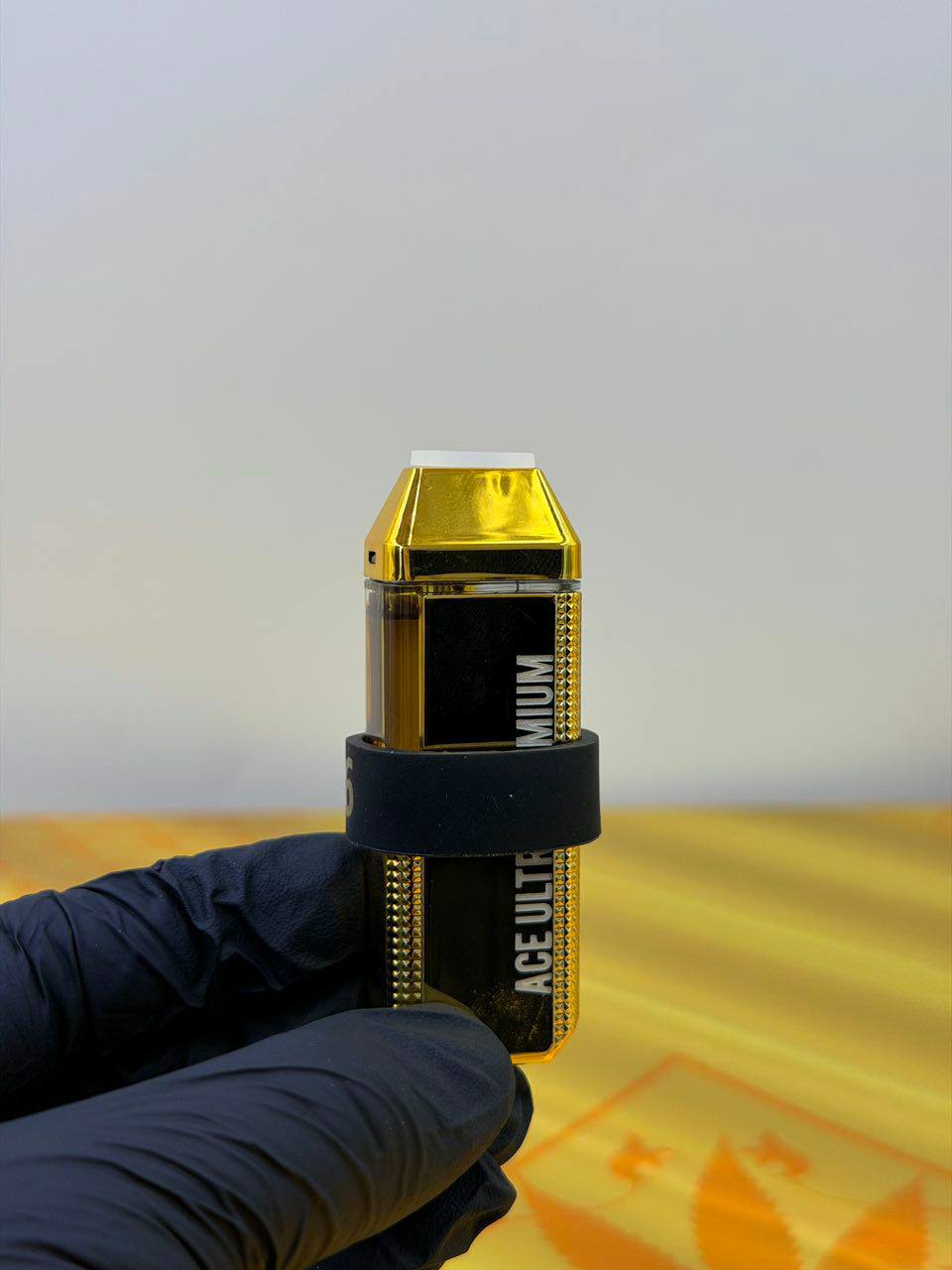
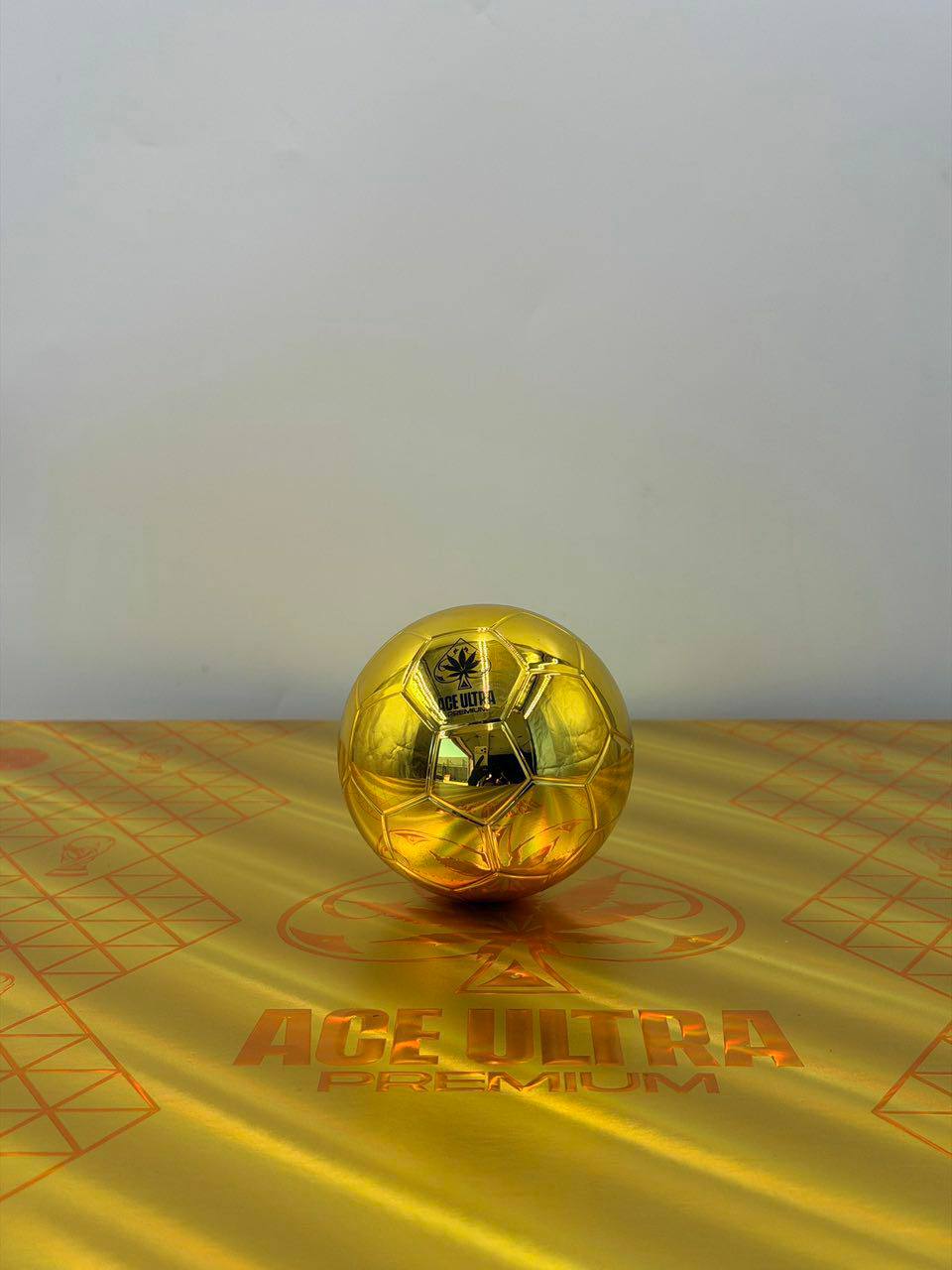
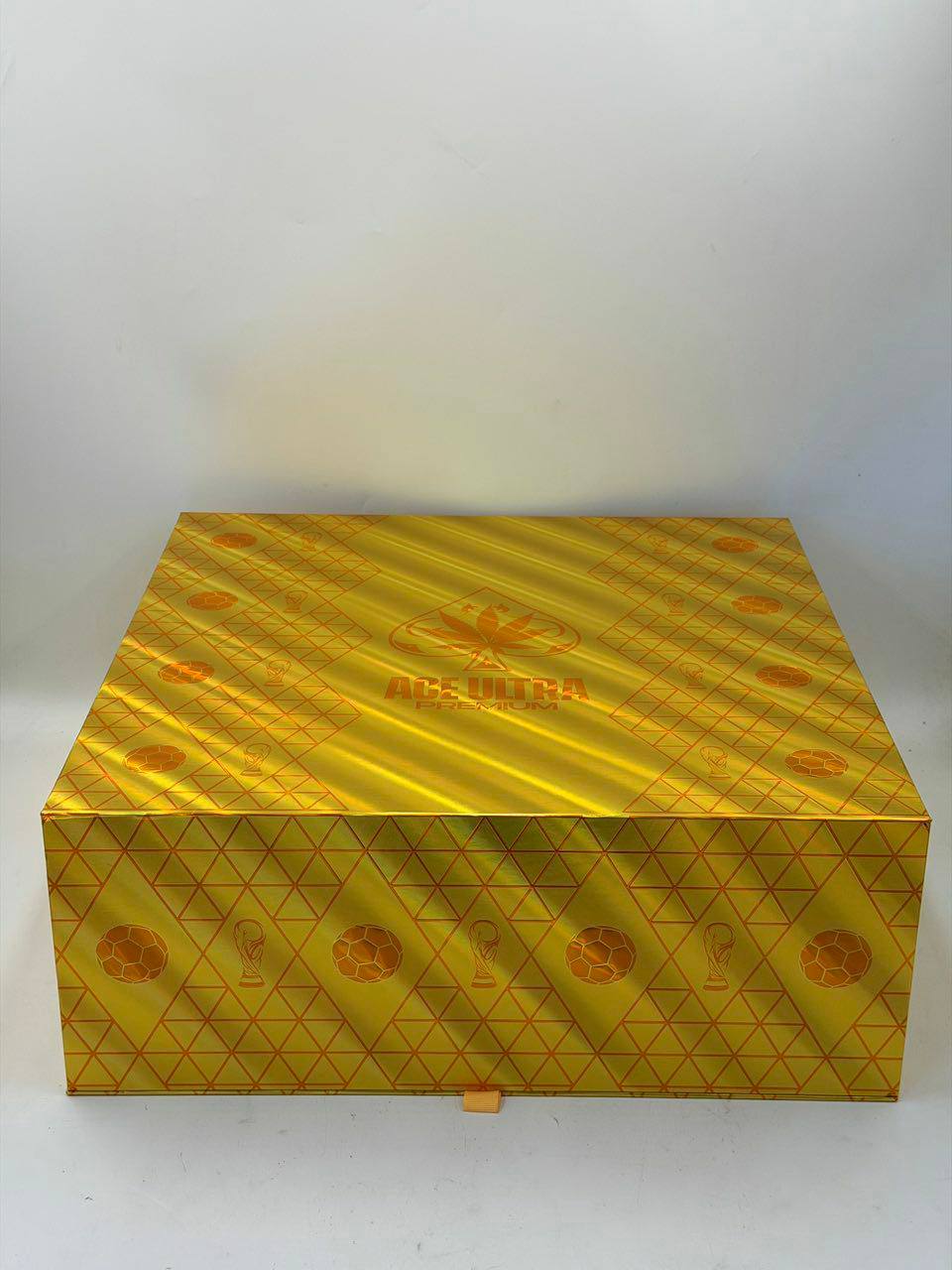
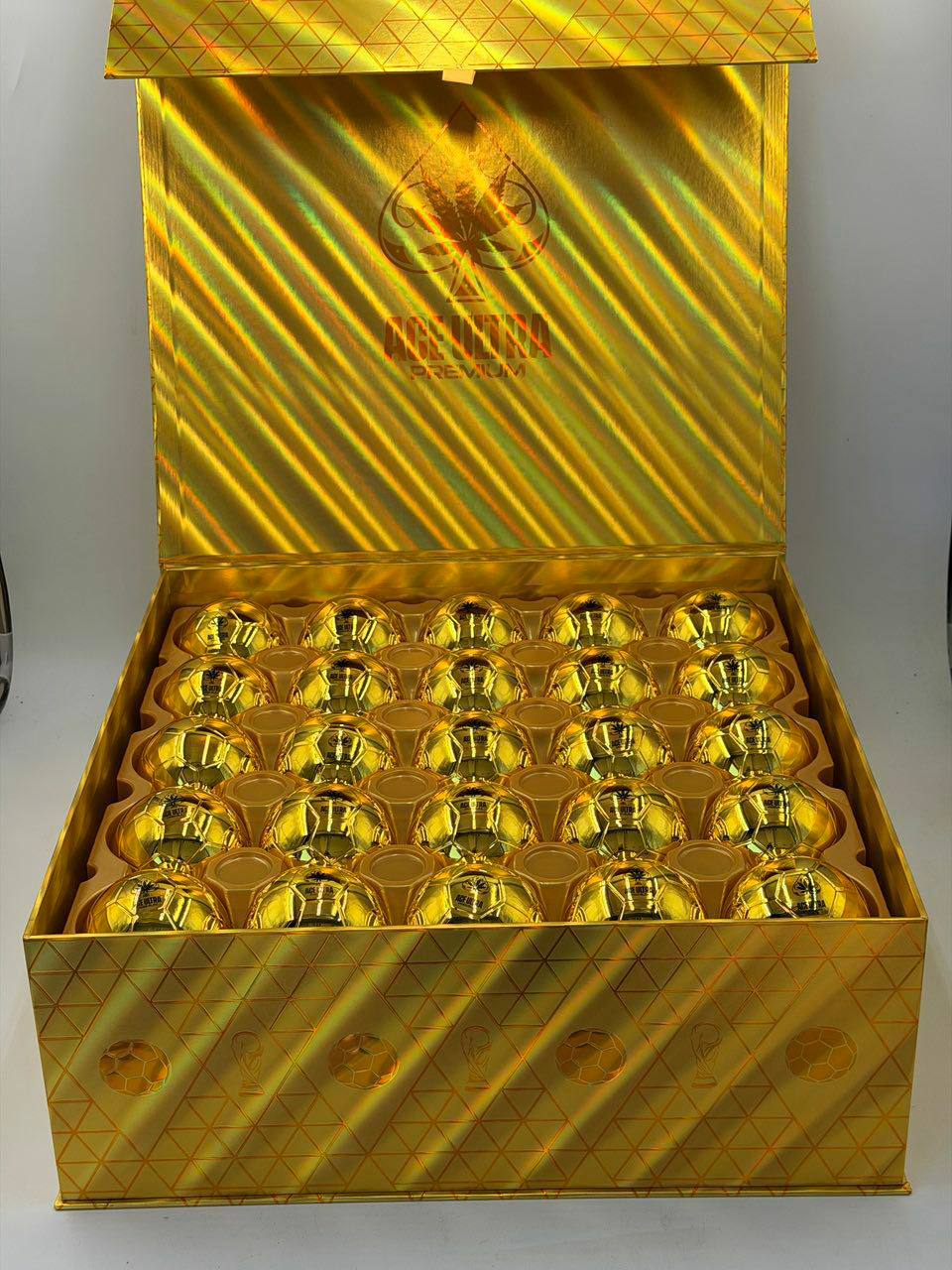
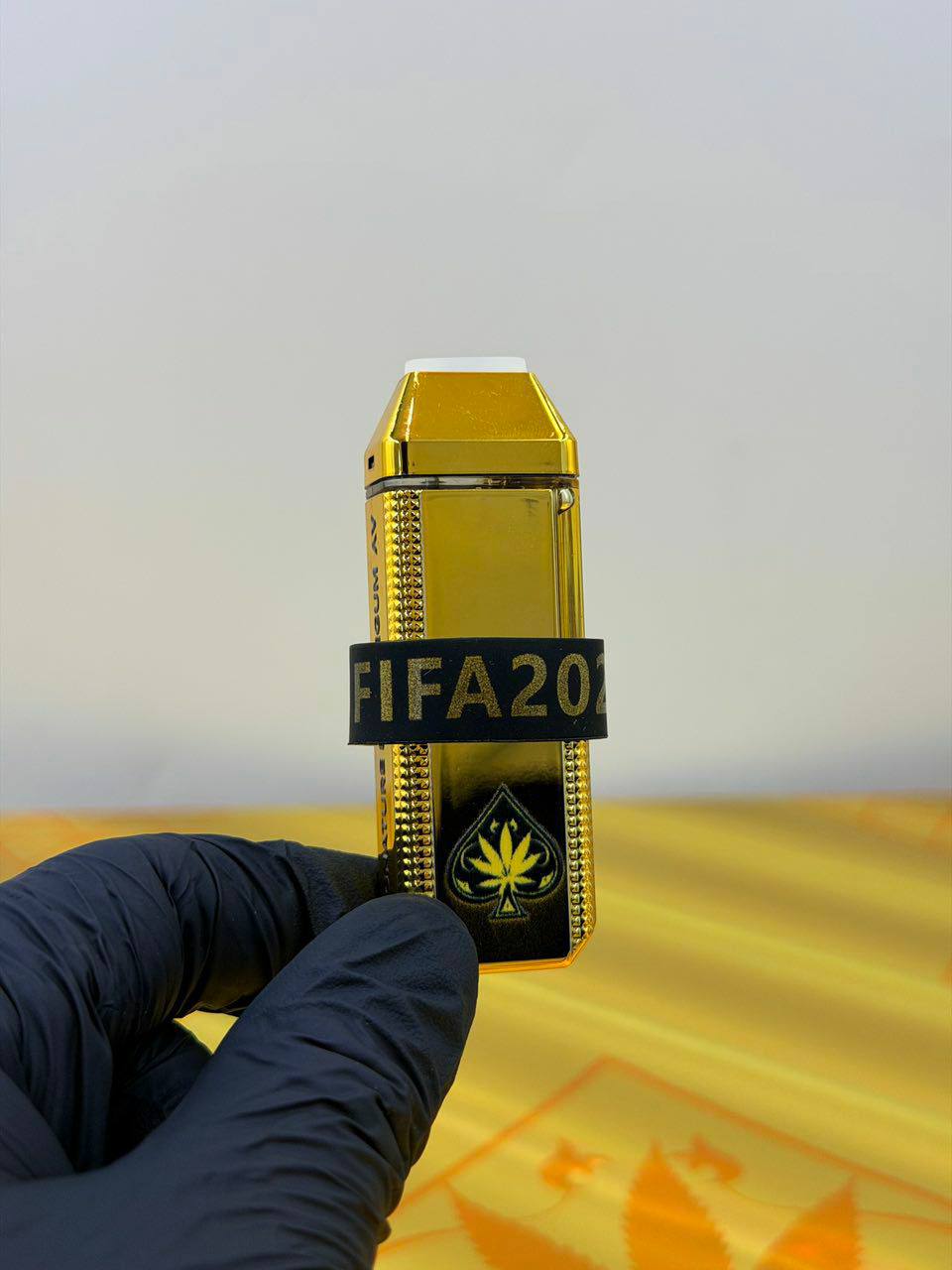
Ace FIFA Edition 2G Disposable – Product Overview (General Information Format)
The Ace FIFA Edition 2G Disposable is typically described as a compact, single-use device designed for convenience and portability. It is often associated with modern disposable formats that prioritize simplicity, minimal maintenance, and ready-to-use functionality. Because of its “2G” labeling, it is usually understood as part of a higher-capacity disposable category compared to smaller devices.Ace Fifa Edition 2G Disposable
not to deal with refilling, charging complexity, or multi-step setup processes. Instead, the design is centered around ease of use and straightforward operation.Ace Fifa Edition 2G Disposable

General Design and Build Concept
Most devices in this category are built with lightweight materials to support portability. In addition, compact sizing is commonly emphasized so the device can be carried easily in pockets or small bags. The exterior design often follows a themed aesthetic—in this case, the “FIFA Edition” label suggests branding inspired by football culture and global sports visuals.Ace Fifa Edition 2G Disposable
Capacity and Usage Concept
A “2G” designation is generally interpreted as a larger internal capacity compared to smaller disposable units. This allows extended use before disposal. However, exact performance varies depending on manufacturing design, usage behavior, and internal components. Ace Fifa Edition 2G Disposable
Ease of Use and Functionality
Disposable devices in this category are typically designed for immediate activation. No refilling or coil replacement is required. Instead, the user generally relies on pre-installed internal systems that are activated automatically upon use.Ace Fifa Edition 2G Disposable
Portability and Convenience Factors
Because of its disposable nature, portability is a major focus. The device is often described as travel-friendly and low-maintenance. Additionally, it removes the need for carrying accessories such as chargers, refill bottles, or replacement parts.Ace Fifa Edition 2G Disposable
Design Aesthetic and Branding Appeal
The “FIFA Edition” branding suggests a sports-themed visual identity. This type of design is often used to create stronger market appeal through recognizable global themes. As a result, the product may stand out visually compared to standard minimalist disposables.Ace Fifa Edition 2G Disposable
Friendly Heading Options (Non-promotional style)
- Ace FIFA Edition 2G Disposable Overview and Key Features Explained
- Understanding the Ace FIFA Edition 2G Disposable Design and Function
- Ace FIFA Edition Disposable 2G: General Guide and Product Breakdown
- FIFA Edition Disposable Devices: What the Ace 2G Model Represents
Ace FIFA Edition 2G Disposable – Continued Informational Breakdown
Internal Mechanism (General Explanation)
Devices in the disposable category typically rely on a pre-assembled internal system that combines a power source, a heating element, and a pre-filled chamber. When activation occurs, the internal circuit delivers power to the heating component, which then produces vapor from the stored liquid or material.Ace Fifa Edition 2G Disposable
Because these systems are sealed, users are not expected to modify or service internal parts. This closed design reduces maintenance requirements but also limits customization or repair options.Ace Fifa Edition 2G Disposable
Safety Considerations (General Context)
Disposable electronic devices, especially those using heating elements, require careful handling. Common safety considerations include avoiding exposure to excessive heat, preventing physical damage, and ensuring the device is not used beyond its intended lifespan.Ace Fifa Edition 2G Disposable
In many consumer electronics discussions, sealed disposables are also evaluated based on battery stability, build quality, and quality control consistency. However, performance and safety standards vary significantly by manufacturer.

-
Environmental Impact Discussion
One of the most widely discussed topics around disposable devices is environmental sustainability. Since these products are designed for single use, they contribute to electronic waste streams. The combination of battery components, plastic housing, and metal elements makes recycling more complex than with standard household items.
As a result, disposal practices are often highlighted as an important consideration. In many regions, electronic waste should be handled through designated recycling systems rather than general waste bins.Ace Fifa Edition 2G Disposable
Market Position and Consumer Trends (General View)
Disposable electronic devices have grown in popularity due to convenience-driven consumer behavior. Many users prefer ready-to-use formats that require minimal setup. This has led to a wide variety of themed editions and capacity variations across the market.
The “edition” naming style—such as sports-themed branding—typically reflects marketing segmentation strategies used to attract different audience groups. These naming conventions do not necessarily indicate functional differences, but they can influence consumer perception.Ace Fifa Edition 2G Disposable
Usability Lifecycle Concept
The lifecycle of a disposable device generally follows three stages:
- Initial activation and use phase Ace Fifa Edition 2G Disposable
- Performance decline as internal capacity reduces
- Complete depletion leading to disposal
Because the product is not designed for refilling or repair, its lifecycle is intentionally limited. This design approach prioritizes convenience over long-term reuse.
Storage and Handling Considerations
Proper storage conditions can influence the stability of disposable electronic devices. In general, they are kept away from direct sunlight, moisture, and extreme temperatures. Physical pressure or impact may also affect internal components due to compact construction.Ace Fifa Edition 2G Disposable
Broader Industry Context (Non-Product Specific Insight)
Design Evolution
Over time, disposable device design has evolved from basic functionality toward more compact, visually themed, and capacity-efficient formats. Manufacturers often focus on improving airflow consistency, battery efficiency, and user experience simplicity.
Consumer Expectations
Modern users tend to prioritize:Ace Fifa Edition 2G Disposable
- portability
- simplicity
- consistent performance
- visual appeal
These expectations shape how disposable devices are designed and categorized in retail environments.

-
Regulatory Environment (General Note)
In many regions, disposable electronic devices fall under consumer electronics regulations. These may include standards for battery safety, labeling requirements, and waste management guidelines. Regulations vary widely depending on jurisdiction.
Performance Characteristics (General Interpretation)
In most disposable electronic device categories, performance is commonly described through consistency rather than adjustable settings. Since the system is pre-configured, output tends to depend on internal calibration at the manufacturing stage.
As usage continues, performance may gradually change due to depletion of internal capacity. This decline is expected in sealed, non-rechargeable designs. Therefore, steady performance is typically strongest at the beginning of the lifecycle and reduces toward the end.Ace Fifa Edition 2G Disposable
Many users evaluate these devices based on:
- smoothness of output delivery
- consistency over time
- reliability during activation
- overall endurance relative to capacity
However, actual experience can vary depending on production quality and usage frequency.Ace Fifa Edition 2G Disposable
Build Quality and Material Composition (General Overview)
Disposable devices in this category are usually constructed from a combination of lightweight plastics, basic metal components, and integrated electronic circuitry. The goal of this material combination is to maintain portability while keeping production cost efficient.Ace Fifa Edition 2G Disposable
The outer casing is typically designed to protect internal components from minor impact and handling pressure. However, because the structure is compact and sealed, durability is generally moderate rather than heavy-duty.Ace Fifa Edition 2G Disposable
In many cases, aesthetic printing or themed branding is applied to the exterior surface, especially for edition-based designs such as sports-themed versions.Ace Fifa Edition 2G Disposable
User Experience Overview
The user experience of disposable electronic devices is often defined by simplicity. The absence of setup steps reduces entry barriers, making them accessible to a wide range of users who prefer convenience.Ace Fifa Edition 2G Disposable
Key aspects of user experience typically include:
- immediate readiness after activation
- no requirement for refilling or assembly
- compact and portable handling
- minimal maintenance responsibility
Because of these factors, disposable formats are often positioned as straightforward alternatives to more complex reusable systems.Ace Fifa Edition 2G Disposable
-
Consistency and Quality Variation Factors
While the design concept is standardized, real-world consistency may vary between production batches. Several factors can influence this variation:
- manufacturing precision
- quality control standards
- storage conditions before purchase
- handling during transportation
As a result, two units of the same edition may not always deliver identical performance outcomes.Ace Fifa Edition 2G Disposable
Design Language and Branding Influence
The “FIFA Edition” labeling suggests a thematic design approach that draws inspiration from global football culture. This type of branding is commonly used to create visual identity and product recognition.Ace Fifa Edition 2G Disposable
Such themed naming does not necessarily indicate functional differences but instead reflects marketing segmentation. Visual identity plays a major role in distinguishing products in highly competitive disposable device markets.
Branding elements may include:Ace Fifa Edition 2G Disposable
- sport-inspired color schemes
- bold typography
- collectible-style packaging concepts
These elements contribute more to aesthetic appeal than technical specification changes.
Storage Stability and Shelf Life (General Insight)
Disposable electronic devices are typically designed with a finite shelf life. Even when unused, internal components may gradually degrade over time due to battery self-discharge or material aging.Ace Fifa Edition 2G Disposable
Recommended storage conditions generally include:
- cool environments
- dry locations
- avoidance of direct sunlight
- protection from physical pressure
Proper storage helps maintain device stability before activation.Ace Fifa Edition 2G Disposable
Disposal and End-of-Life Handling
Once a disposable device reaches the end of its lifecycle, it becomes electronic waste. Because it often contains a built-in battery and electronic circuitry, it should not be discarded as regular household waste in many regions.
Instead, responsible disposal methods may include:Ace Fifa Edition 2G Disposable
- electronic recycling points
- designated battery disposal systems
- e-waste collection programs
This helps reduce environmental impact and supports material recovery processes where available.Ace Fifa Edition 2G Disposable
Market Overview and Consumer Behavior Trends
Disposable electronic devices have become widely adopted due to increasing demand for convenience-based products. Market trends show a shift toward:
- compact, travel-friendly devices
- themed and visually distinctive editions
- simplified usage systems
- reduced maintenance requirements
Themed editions like “FIFA Edition” reflect a broader trend where lifestyle branding intersects with functional electronics.
Frequently Asked Questions (FAQ)
1. What is a 2G disposable device?
It generally refers to a higher-capacity disposable format compared to smaller units, though exact interpretation depends on manufacturer labeling.2. Does themed branding affect performance?
Typically, branding such as “FIFA Edition” relates to visual design rather than internal functionality.3. Can disposable devices be reused?
They are designed for single-use cycles and are not intended for refilling or repair.4. What happens when the device is finished?
It reaches end-of-life and should be disposed of through appropriate electronic waste systems.-
- simplicity-driven design philosophy
- limited lifecycle intended for convenience
- strong emphasis on branding identity
- moderate variation due to manufacturing and distribution
- growing environmental considerations due to disposability
Technical Longevity and Performance Degradation (General Insight)
Over time, disposable electronic devices naturally experience a reduction in output efficiency. This is primarily linked to the depletion of the internal power source and the gradual limitation of the heating element’s effectiveness.
In most sealed systems, performance does not remain linear. Instead, it follows a gradual curve where:
- early use delivers the most stable output
- mid-cycle use remains consistent but slightly reduced
- late-cycle use shows noticeable decline
This pattern is expected in single-use electronic devices because the internal architecture is not designed for recharging or component replacement.
Engineering Constraints in Disposable Devices
Disposable devices are engineered under strict constraints of size, cost, and simplicity. These constraints influence nearly every part of the design process.
Key engineering trade-offs include:
- compact battery capacity vs. usage duration
- sealed structure vs. repairability
- lightweight materials vs. durability
- cost efficiency vs. advanced features
Because of these trade-offs, manufacturers prioritize functional balance rather than long-term serviceability.
Aesthetic Engineering and Product Identity
The “Ace FIFA Edition” naming convention reflects a design identity approach rather than a technical classification. In modern consumer electronics, especially disposable categories, visual identity is often used to differentiate similar internal systems.
This identity-driven design may include:
- sports-themed graphics
- bold contrasting color patterns
- edition labeling for collectability appeal
- packaging designed for shelf visibility
Such elements are part of branding psychology, where visual association influences consumer recognition.
Supply Chain and Distribution Factors
Disposable electronic products are often distributed through multi-stage supply chains that include manufacturing facilities, regional distributors, and retail endpoints.
Each stage can influence:
- packaging condition
- storage environment exposure
- transport-related stress
- batch consistency
Because of this, identical products may still show minor differences depending on distribution conditions before reaching the end user.
Quality Perception vs. Manufacturing Reality
User perception of quality does not always match manufacturing specifications. This is especially common in disposable electronics where subjective experience plays a major role.
Perceived quality is often influenced by:
- smoothness of initial activation
- consistency during first use phase
- aesthetic appeal of branding
- expectation shaped by marketing visuals
Meanwhile, manufacturing quality is determined by:
- component tolerances
- assembly precision
- internal circuit calibration
- quality assurance thresholds
The difference between perception and production reality is a key factor in product review variability.
Environmental Discussion (Expanded Perspective)
Disposable electronic devices contribute to a growing global e-waste challenge. Because they combine multiple materials—plastic casing, lithium-based battery components, and metal circuitry—they require specialized recycling processes.
Environmental concerns typically focus on:
- non-biodegradable components
- battery disposal risks
- limited recycling accessibility in some regions
- accumulation of single-use electronics
In response, some regions have begun encouraging extended producer responsibility (EPR) systems, where manufacturers contribute to recycling infrastructure.
Consumer Decision Factors (Neutral Analysis)
When consumers evaluate disposable devices in general, decisions are often shaped by a combination of practical and aesthetic considerations.
Common decision factors include:
- expected duration of use
- portability and size
- visual design appeal
- perceived reliability
- ease of activation
Unlike traditional electronics, long-term maintenance or upgrade paths are usually not part of the decision-making process.
Product Category Evolution
Disposable electronic devices have evolved significantly over time. Earlier models focused purely on basic functionality, while newer iterations incorporate:
- improved airflow systems
- more efficient battery usage
- refined ergonomic shapes
- themed branding editions
This evolution reflects broader trends in consumer electronics toward convenience-oriented design.
Market Positioning Logic
Products in this category are typically positioned in the market based on lifestyle appeal rather than technical differentiation alone. Themed editions such as “FIFA Edition” are part of segmentation strategies that target specific interest groups.
Market positioning usually relies on:
- visual differentiation
- naming conventions
- packaging aesthetics
- perceived exclusivity of editions
This approach allows similar internal devices to be marketed under multiple identity variations.
Summary of Key Observations
The Ace FIFA Edition 2G Disposable, when viewed as a product category example, reflects several broader industry patterns:
Final SEO Article Structure (Completed Framework)
This full structure can now support a 3000-word article:
- Introduction to product category
- Design and construction overview
- Functional mechanism explanation
- Performance lifecycle breakdown
- Engineering constraints
- Branding and aesthetic identity
- Distribution and supply chain effects
- User experience analysis
- Environmental impact discussion
-
- overall duration consistency
- reliability of activation
- physical build feel
- uniformity of output experienceMarket trends and positioning
Product Lifecycle in Real-World Usage Conditions
In practical conditions, the lifecycle of disposable electronic devices is shaped not only by internal capacity but also by user behavior. Frequency of activation, duration of use per session, and environmental exposure all contribute to how long the device remains functional.
Although manufacturers design these products for a predictable lifespan, real-world usage often introduces variability. For example, shorter, intermittent usage patterns may extend perceived lifespan, while continuous use may accelerate depletion.
Additionally, external conditions such as temperature and humidity can subtly influence internal battery efficiency. These factors do not usually stop functionality immediately, but they may affect consistency over time.
Human Factors in User Experience
User interaction plays a significant role in how disposable devices are perceived. Because these products require minimal setup, the experience is largely shaped by expectation and ease of access.
Human factors influencing satisfaction include:
- expectation of smooth and immediate performance
- tolerance for performance decline over time
- familiarity with similar devices
- sensitivity to design aesthetics
Interestingly, two users may evaluate the same device differently based on prior experience with similar products. This subjective variability is a common characteristic in consumer electronics with minimal user control interfaces.
Design Psychology Behind Themed Editions
The use of themed branding such as “FIFA Edition” reflects a psychological marketing approach where familiar cultural symbols are integrated into product identity. Sports themes in particular are widely used because they carry global recognition and emotional association.
From a design psychology perspective, themed packaging often aims to:
- increase visual memorability
- create emotional association with popular culture
- differentiate products in saturated markets
- enhance shelf appeal in retail environments
Importantly, this type of branding does not typically alter internal engineering. Instead, it functions as an external identity layer applied to a standardized product base.
Functional Limitations of Disposable Systems
While disposable electronic devices offer convenience, they also come with inherent limitations. These limitations are intentional design outcomes rather than flaws.
Common limitations include:
- lack of recharge capability
- inability to replace internal components
- fixed performance configuration
- finite operational lifespan
These constraints ensure simplicity but reduce adaptability. As a result, users trade customization and longevity for ease of use and portability.
Comparative Position Within the Broader Device Category
Within the broader category of compact disposable electronics, products like the Ace FIFA Edition 2G Disposable are positioned as mid-to-high capacity variants based on their labeling.
However, without standardized global definitions for “2G” or similar terms across manufacturers, comparisons must be interpreted cautiously. Capacity indicators may vary between brands, meaning that direct equivalence is not always guaranteed.
Instead of relying solely on numerical labeling, users and reviewers often compare:
Manufacturing Variation and Quality Control Considerations
Even within the same product line, slight variations can occur due to production tolerances. These variations are typical in mass-produced electronics, particularly those designed for disposable use.
Quality control processes generally aim to minimize:
- battery inconsistencies
- airflow irregularities
- leakage or sealing issues
- circuit activation failures
However, because production is optimized for scale and cost efficiency, minor deviations between units are statistically expected.
Packaging and Presentation Design Strategy
Packaging plays an important role in disposable device categories. Since the product itself is often similar across multiple editions, packaging becomes a key differentiator.
Common packaging strategies include:
- bold color schemes for instant recognition
- edition labeling for product segmentation
- minimalistic layouts for modern appeal
- icon-based visuals for quick identification
In retail environments, packaging often serves as the primary communication tool between product and consumer, especially when technical differences are subtle.
Broader Environmental Context (Extended)
The environmental impact of disposable electronics continues to be a growing topic of global discussion. As usage increases, attention has shifted toward sustainable design practices and responsible disposal systems.
Key environmental concerns include:
- accumulation of lithium-based battery waste
- challenges in separating mixed-material components
- limited consumer awareness of recycling pathways
- variability in regional e-waste infrastructure
In response, some industry efforts are exploring partial solutions such as improved recyclability design and take-back programs, although implementation remains inconsistent across regions.
Future Direction of Disposable Device Design
The future of disposable electronic devices is likely to be influenced by both regulatory pressure and consumer expectations. Several emerging trends are already visible in product development cycles.
These include:
- improved energy efficiency in compact systems
- reduced material usage in casing design
- increased focus on recyclable components
- standardized labeling systems for capacity clarity
At the same time, market demand for convenience ensures that disposable formats will continue to exist, even as sustainability concerns grow.
Extended SEO Content Architecture (Nearly Complete 3000-word structure)
This expanded article now covers:
- product category introduction
- lifecycle behavior analysis
- user experience and psychology
- branding and themed design logic
- functional limitations
- market comparison framework
- manufacturing variation
- packaging strategy
- environmental impact expansion
- future outlook

Reviews
There are no reviews yet.