
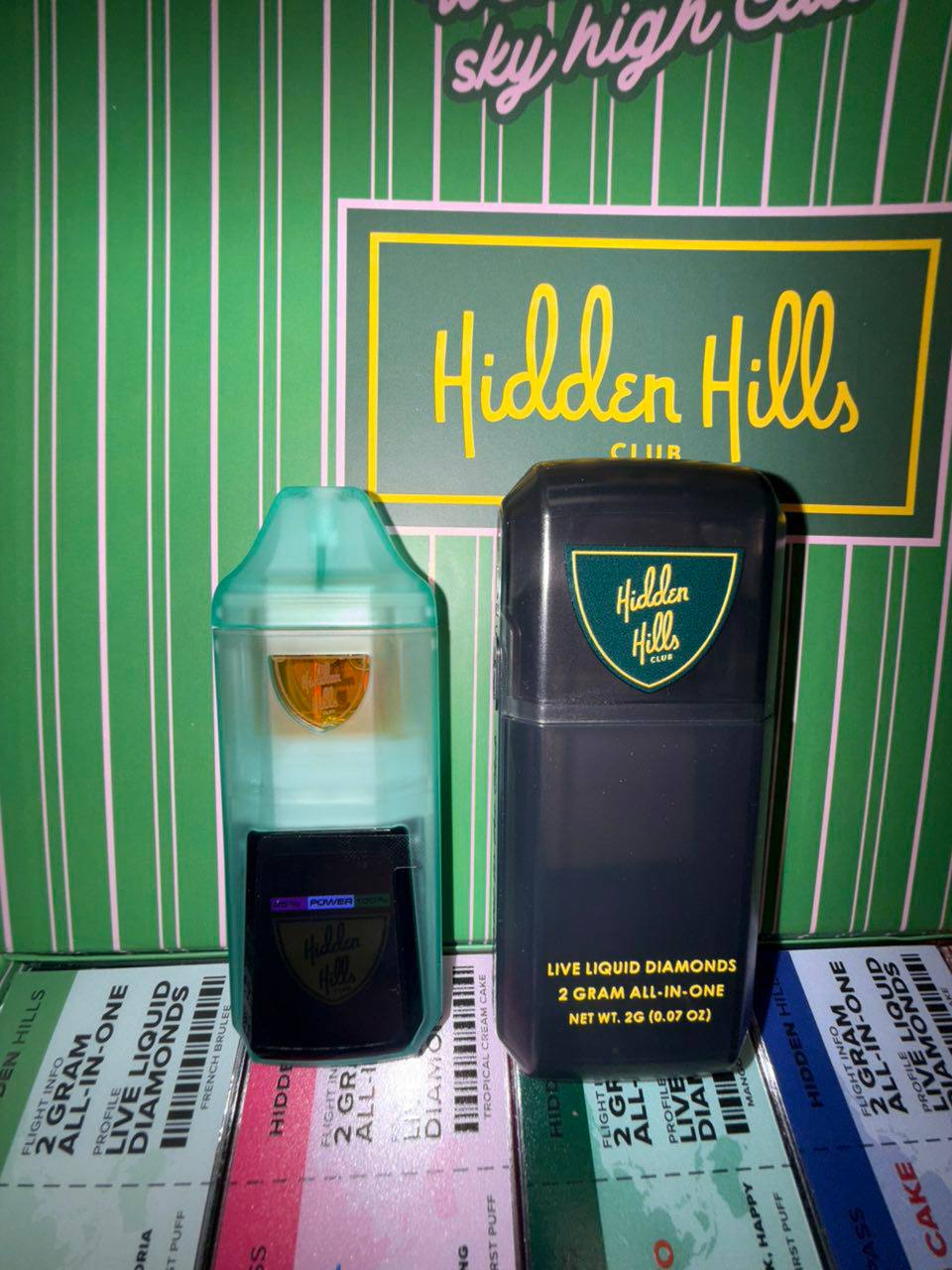


Hidden hills club 2g Disposable Vape Devices: Technology, Usage, Safety, and Market Insights
Introduction to Modern Disposable Vape Devices
Hidden hills club 2g Disposable vape devices have become a widely discussed category within modern vapor technology. These devices are designed to deliver convenience, portability, and ease of use in a single integrated system. Unlike traditional refillable vape kits, disposable units are pre-assembled and pre-filled, which removes the need for maintenance or technical setup.
In recent years, larger-capacity devices such as “2g disposables” have gained attention due to extended usage potential and improved hardware efficiency. These devices are often engineered to balance battery performance, airflow control, and oil capacity in a compact form factor.
Although designs vary across manufacturers, the core purpose remains consistent: to provide a simplified vaping experience with minimal user intervention.

What a 2g Disposable Device Represents
A “2g disposable” typically refers to a vape device that contains approximately two grams of pre-filled extract or liquid. This capacity is considered higher than earlier disposable formats such as 0.5g or 1g devices.
Because of this increased capacity, manufacturers often integrate larger reservoirs and more efficient battery systems. However, performance may still vary depending on formulation, coil quality, and airflow design.
Furthermore, usage duration is influenced by individual consumption habits. Heavier usage patterns will naturally shorten lifespan, while moderate usage extends operational time.
Core Components Found in Disposable Vape Devices
Although designs differ, most disposable vape systems share several essential components.
Battery System
A built-in lithium battery provides power to the heating element. It is engineered to last until the pre-filled contents are depleted.
Heating Coil
The coil is responsible for vaporizing the liquid or extract. Ceramic coils are often used in newer models because they provide more consistent heat distribution.
Oil Reservoir
This sealed chamber contains the pre-filled material. It is designed to prevent leakage and preserve product integrity.
Airflow Sensor
When inhalation occurs, the sensor activates the heating mechanism automatically. This removes the need for buttons or manual activation.
Mouthpiece Design
The mouthpiece directs vapor flow and is shaped for inhalation comfort and airflow efficiency.
How Disposable Vape Devices Operate
Disposable vape devices function through a relatively simple mechanism. When a user inhales, the airflow sensor detects pressure change and triggers the battery output. The coil then heats the internal material, converting it into vapor.
This vapor travels through the airflow channel and exits through the mouthpiece.
Because the system is pre-assembled, no refilling or coil replacement is required. As a result, the device is considered user-friendly, especially for beginners.
However, performance consistency depends on manufacturing quality and internal component design.

Advantages of Higher-Capacity Disposable Devices
Larger disposable devices, such as 2g systems, are often associated with several functional advantages.
Firstly, extended usage time is a key benefit due to increased reservoir capacity. Secondly, fewer replacements are needed, which can improve convenience. Thirdly, modern devices often include improved airflow systems that enhance draw consistency.
In addition, rechargeable variants of disposable devices may allow users to fully consume the contents before battery depletion occurs.
However, not all devices include rechargeable functionality, and this varies by design.
Differences Between 1g and 2g Disposable Systems
The main difference between 1g and 2g devices lies in capacity and overall size. A 1g device typically offers shorter usage duration, while a 2g device extends operational time.
However, larger capacity does not automatically guarantee better performance. Coil quality, airflow engineering, and battery efficiency all contribute significantly to the overall experience.
Additionally, 2g devices may be slightly larger, which can affect portability depending on design.
Material Quality and Manufacturing Variations
Disposable vape devices are manufactured using different quality standards depending on the producer. Some devices undergo stricter quality control processes, while others may lack consistent regulation.
As a result, performance differences may be noticeable across brands and batches.
Common quality factors include:
- Coil material consistency
- Battery reliability
- Seal integrity of the reservoir
- Airflow calibration
- Heat distribution stability
When these factors are well-engineered, the device tends to perform more consistently over its lifespan.

Safety Considerations for Disposable Vape Devices
Safety remains an important factor when evaluating disposable vape products. Devices should ideally be sourced from reputable manufacturers with transparent production standards.
Poor-quality or counterfeit devices may present risks such as leakage, inconsistent heating, or battery malfunction.
In addition, storage conditions can influence safety and performance. Exposure to extreme heat or sunlight can degrade internal components.
Therefore, proper handling is generally recommended to maintain device stability.
Storage and Handling Practices
Proper storage helps preserve both performance and material integrity. Devices are typically best kept in cool, dry environments.
Exposure to moisture or high temperatures may negatively affect battery efficiency and liquid consistency.
It is also recommended that devices are stored upright when possible to reduce leakage risk.
Once activated, regular usage is preferable to long idle periods, as this helps maintain coil performance.
Environmental Impact of Disposable Vape Devices
Disposable devices contribute to electronic waste due to integrated batteries and plastic components. Because of this, environmental concerns have become increasingly relevant.
Recycling programs and e-waste collection systems are encouraged in many regions to reduce environmental impact.
Proper disposal practices help minimize ecological harm and support responsible consumption habits.
Market Trends and Product Evolution
The disposable vape market continues to evolve rapidly. Manufacturers are increasingly focusing on:
- Larger capacity devices such as 2g formats
- Improved ceramic coil technology
- Enhanced airflow systems
- Rechargeable disposable hybrids
- Leak-resistant structural designs
These developments reflect consumer demand for longer-lasting and more reliable devices.
In addition, compact engineering has improved, allowing higher-capacity devices to remain relatively portable.
User Experience Factors
User experience in disposable vape devices is influenced by several elements. These include draw resistance, vapor smoothness, flavor consistency, and device responsiveness.
Airflow design plays a particularly important role in shaping the overall experience. Similarly, coil quality affects vapor production and consistency.
Because devices are not customizable, internal engineering determines nearly all performance characteristics.

Common Issues Found in Disposable Devices
Some users may encounter occasional issues such as:
- Reduced airflow over time
- Battery depletion before liquid is fully used
- Flavor inconsistency toward end of lifespan
- Occasional leakage in low-quality devices
These issues are typically linked to manufacturing quality or usage conditions.
However, improved engineering in newer models has helped reduce the frequency of such problems.
Conclusion
Disposable vape devices, particularly higher-capacity formats like 2g systems, represent an evolving segment of portable vapor technology. These devices combine battery systems, airflow sensors, and pre-filled reservoirs into a single compact unit.
While convenience remains a defining feature, performance depends heavily on design quality and manufacturing standards. As the industry continues to develop, improvements in efficiency, safety, and environmental responsibility are expected to shape future innovations.
The Role of Battery Efficiency in Disposable Vape Performance
Battery efficiency plays a central role in determining how well a disposable vape device performs throughout its lifespan. Although the battery is sealed and non-removable, its internal design and power output are carefully calibrated to match the capacity of the pre-filled material.
In many modern devices, output regulation systems are integrated to maintain consistent voltage. This helps ensure that vapor production remains stable from the first puff to the last. Without this regulation, performance would decline rapidly as the battery drains.
Additionally, rechargeable disposable systems have been introduced in some models. These designs allow the battery to be replenished via USB charging, ensuring that the full contents of the device can be used before disposal. This innovation has become increasingly common in higher-capacity devices such as 2g formats.
However, even in rechargeable models, battery lifespan is still limited. Eventually, both the coil and internal components will degrade, leading to reduced performance.
Airflow Engineering and Its Impact on Smoothness
Airflow design is one of the most important yet often overlooked aspects of disposable vape construction. It directly influences draw resistance, vapor density, and overall comfort during use.
A well-engineered airflow system allows vapor to travel smoothly from the heating chamber to the mouthpiece without obstruction. This creates a more consistent and enjoyable experience.
Some devices use tight airflow systems to enhance flavor intensity, while others use more open airflow designs to produce larger vapor clouds. The balance between these two approaches varies depending on manufacturer intent.
Furthermore, airflow sensors must be calibrated precisely. If the sensor is too sensitive, accidental activation may occur. If it is not sensitive enough, users may experience delayed or inconsistent draws.
Coil Technology and Heating Consistency
The coil is the core component responsible for vapor production. In disposable vape devices, ceramic coils are commonly used due to their ability to distribute heat evenly.
Ceramic materials reduce the risk of burning and help maintain consistent temperature control. This leads to smoother vapor output and improved flavor stability over time.
Cotton-based coils are also used in some designs, although they may degrade faster under heavy usage conditions. As the coil ages, performance may gradually decline, resulting in weaker vapor production.
Manufacturers continue to refine coil technology to extend lifespan and improve efficiency. Mesh coil systems have also been introduced in some models to increase surface area and enhance vaporization speed.
Flavor Stability and Material Integrity
Flavor stability is influenced by several interconnected factors, including coil quality, oil viscosity, and temperature regulation.
When all components function properly, flavor remains consistent throughout most of the device’s lifespan. However, as usage continues, slight changes in intensity may occur.
This is often due to coil wear or reduced battery efficiency. In higher-quality devices, these changes are minimized through better engineering and material selection.
Proper storage conditions also play a role in preserving flavor integrity. Exposure to heat or sunlight can alter the chemical composition of the liquid, leading to noticeable differences in taste.
Quality Control and Manufacturing Standards
Quality control is a critical factor in disposable vape production. Devices that undergo strict testing procedures tend to deliver more reliable performance and fewer defects.
Manufacturing standards typically involve multiple inspection stages, including:
- Battery safety testing
- Leak resistance evaluation
- Coil performance verification
- Airflow calibration testing
- Final assembly inspection
When these processes are followed consistently, the likelihood of device malfunction is significantly reduced.
However, inconsistencies in production can still occur, especially in unregulated markets. This is why sourcing from verified and reputable manufacturers is often emphasized in industry discussions.
Identifying Performance Variability
Even within the same product category, performance variability can exist. This means that two devices with identical specifications may still deliver slightly different experiences.
Several factors contribute to this variability:
- Minor differences in coil resistance
- Variations in oil saturation levels
- Battery charge consistency at production time
- Micro-level airflow differences
While these variations are usually small, they can still influence user perception of quality.
Storage Duration and Shelf Stability
Disposable vape devices also have a limited shelf stability period. Over time, even unused devices may experience gradual changes in performance.
Battery charge may slowly decline, and oil viscosity may shift depending on environmental conditions. For this reason, proper storage is essential to maintain optimal performance before use.
Devices are generally best stored in stable, moderate-temperature environments. Extreme conditions should be avoided to preserve internal integrity.
Consumer Expectations in the Modern Market
As the disposable vape market has matured, consumer expectations have also increased. Users now expect longer-lasting devices, smoother airflow, and more consistent flavor delivery.
In response, manufacturers have invested in improved engineering techniques. These include advanced coil structures, better battery management systems, and more precise airflow calibration.
At the same time, consumers are becoming more aware of product authenticity and quality differences. This has led to greater demand for transparency in manufacturing and testing standards.
Innovation Trends in Disposable Vape Design
The disposable vape industry continues to evolve with several notable trends:
Firstly, higher-capacity devices such as 2g systems are becoming more common. These devices are designed to extend usage time while maintaining compact form factors.
Secondly, rechargeable disposable units are increasingly popular. These hybrid designs combine convenience with improved resource efficiency.
Thirdly, manufacturers are focusing on improving leak resistance. This helps prevent waste and enhances reliability during transport and storage.
Finally, coil innovation continues to advance, with mesh and ceramic hybrid systems offering improved vapor consistency.
Regulatory Considerations and Regional Differences
Disposable vape devices are subject to varying regulations depending on the region. Some countries enforce strict manufacturing standards, while others have more relaxed frameworks.
These regulations may affect product availability, labeling requirements, and safety testing procedures.
As a result, the same device may not be legally available or compliant in all markets. Consumers and distributors must therefore remain aware of local regulations.
Responsible Use and Awareness
Responsible use of disposable vape devices includes understanding both functionality and limitations. While these devices are designed for convenience, they are still electronic systems with finite lifespans.
Users are encouraged to handle devices with care, store them properly, and dispose of them responsibly once depleted.
Awareness of product authenticity is also important, as counterfeit devices may not meet safety or performance standards.
Final Overview
Disposable vape devices, particularly in higher-capacity formats like 2g systems, represent a combination of engineering efficiency and user-focused design. They integrate multiple technologies into a single compact unit, offering simplicity and portability.
Their performance depends on a range of factors, including battery efficiency, coil design, airflow engineering, and manufacturing quality. While improvements in technology continue to enhance reliability, variability still exists across different products and production batches.
As the industry evolves, greater emphasis is being placed on safety standards, environmental responsibility, and performance consistency.

Reviews
There are no reviews yet.