

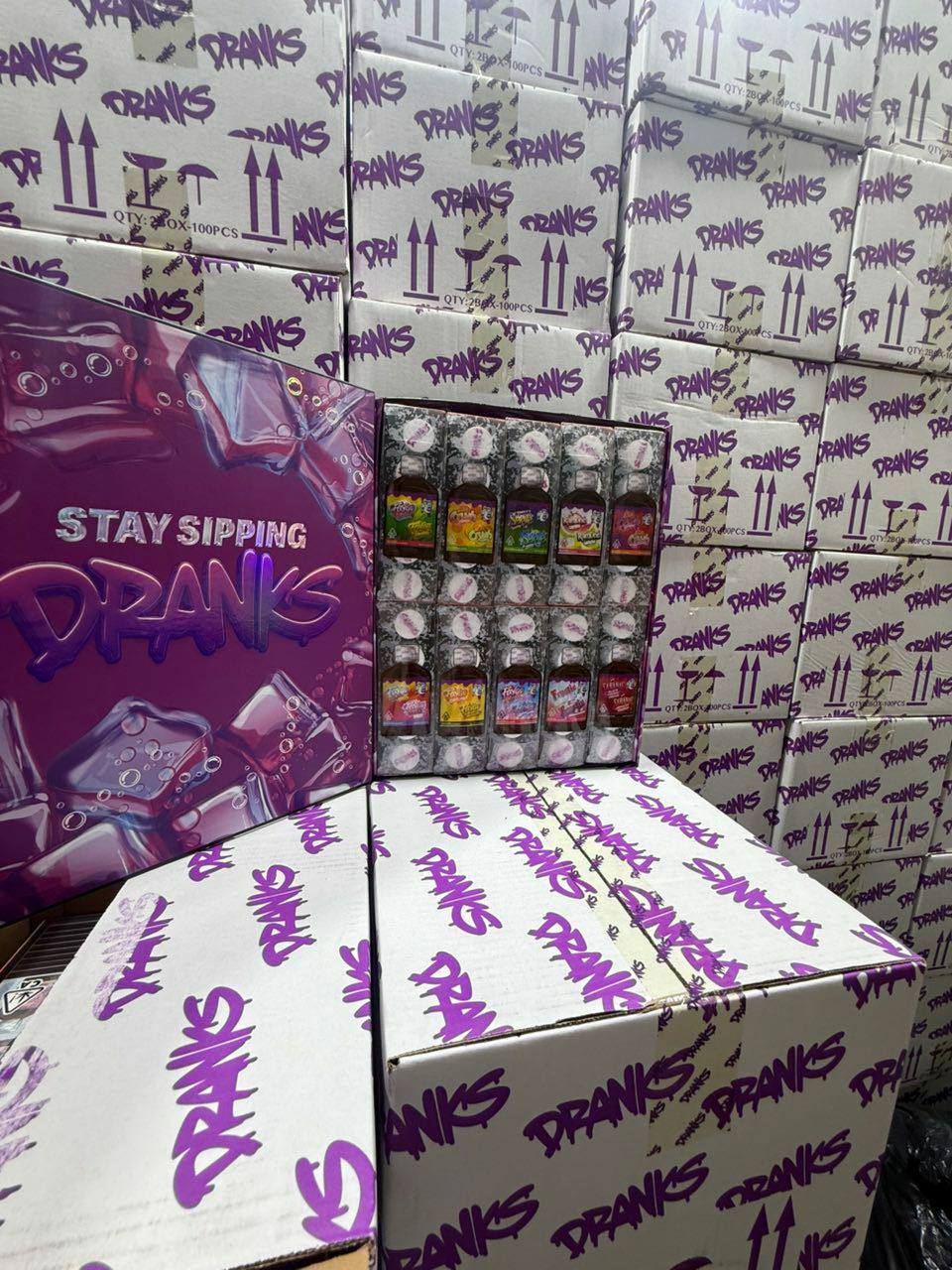

Dranks Dual 2G Disposable: Informational Overview
Dranks Dual 2G Disposable is a disposable vaping device format that combines a compact design with a pre-filled chamber and an integrated battery system. Products in the 2-gram disposable category are designed to offer extended use compared with lower-capacity disposable devices. As a result, they have become a common format within the broader vaping market.
A dual-system disposable device typically incorporates two separate chambers, formulations, or flavor options within a single unit. Depending on the specific design, users may be able to switch between the two options through a selector mechanism or a similar feature. This approach allows multiple experiences to be housed in one device while maintaining portability.
The device category generally includes several core components. A rechargeable or pre-charged battery supplies power to the heating element. The heating element converts liquid or extract into vapor. Meanwhile, airflow sensors detect inhalation and activate the device automatically. Together, these components create a self-contained system that requires little maintenance from the user.
Many modern disposable devices utilize improved airflow pathways and leak-resistant construction. Consequently, manufacturers continue focusing on reliability, consistency, and ease of use. Furthermore, advancements in battery efficiency have enabled larger-capacity devices to maintain performance over longer periods.
Storage conditions can influence device performance. Therefore, products are commonly kept away from excessive heat, direct sunlight, and extreme cold. Proper storage may help preserve battery function and maintain the consistency of the material inside the chamber.
Consumers often evaluate disposable devices based on factors such as capacity, hardware quality, battery reliability, portability, and overall construction. In addition, users frequently consider ease of use and convenience when comparing different device categories.
As vaping technology continues to evolve, manufacturers are introducing new hardware designs, enhanced heating systems, and improved safety features. These developments contribute to ongoing innovation throughout the disposable-device segment.
Because regulations vary by jurisdiction, product availability, requirements, and permitted ingredients may differ between regions. Users should review applicable local laws and regulations before purchasing or using any vaping-related product.
This informational overview is intended to describe the general characteristics of dual-chamber disposable vaping devices and should not be interpreted as medical, legal, or safety advice.

Evolution of Disposable Vape Technology
Disposable vape devices have undergone significant technological development during the past decade. Early models often featured limited battery capacity, basic airflow systems, and relatively small reservoirs. Over time, manufacturers introduced improved hardware capable of supporting larger capacities and more consistent vapor production.
One notable advancement involves rechargeable disposable designs. While traditional disposable units were discarded once the battery reached depletion, newer models often include charging ports that allow the battery to be replenished until the internal reservoir is fully utilized. Consequently, device efficiency has increased while reducing the likelihood of unused material remaining in the chamber due to battery exhaustion.
Heating technology has also evolved. Earlier devices frequently relied on simple coil structures. In contrast, many contemporary designs incorporate ceramic heating elements or advanced wick systems. These components aim to distribute heat more evenly throughout the chamber while supporting consistent performance.
Understanding Battery Performance
Battery capacity plays a major role in the overall functionality of a disposable vaping device. Measured in milliampere-hours (mAh), battery capacity determines how much energy can be stored before recharging or depletion becomes necessary.
Several factors influence battery performance:
- Frequency of use
- Length of inhalation
- Heating element resistance
- Ambient temperature
- Device age
Temperature exposure can affect battery efficiency. For this reason, manufacturers often recommend storing devices within moderate environmental conditions. Excessive heat may accelerate battery degradation, while extreme cold can temporarily reduce performance.
Rechargeable systems provide additional flexibility because users can replenish battery power as needed. As a result, larger-capacity devices can often maintain usability throughout the intended lifespan of the internal reservoir.
Airflow and User Experience
Airflow design represents another important aspect of disposable vape engineering. Airflow channels influence vapor density, draw resistance, and overall consistency.
Restricted airflow designs generally create a tighter draw sensation. Conversely, more open airflow pathways may produce increased vapor output while requiring less inhalation effort.
Engineers frequently refine airflow systems to balance multiple objectives:
- Smooth inhalation
- Consistent activation
- Reduced leakage potential
- Stable vapor production
These improvements contribute to a more predictable experience across varying environmental conditions and usage patterns.
Material Quality and Manufacturing Standards
Manufacturing quality remains an important consideration within the vaping industry. Reliable construction often depends on careful component selection and consistent assembly processes.
Common materials include:
- Food-grade plastics
- Metal alloy housings
- Ceramic heating components
- Silicone seals
- Glass reservoirs in selected designs
Quality-control procedures may include leak testing, battery verification, airflow inspection, and component durability assessments. Consequently, manufacturing standards can significantly influence overall device reliability.

Environmental Considerations
Disposable electronic devices contribute to electronic waste streams due to the inclusion of batteries and electronic circuitry. Therefore, responsible disposal practices remain important.
Many municipalities provide dedicated collection programs for batteries and small electronic devices. Recycling initiatives may help recover valuable materials while reducing environmental impact.
Consumers are encouraged to review local disposal requirements and recycling opportunities when available. Proper handling of electronic waste supports environmental sustainability and public safety.
Future Trends
Innovation within the disposable vape sector continues to focus on efficiency, reliability, and sustainability. Industry observers frequently identify several emerging trends:
- Improved battery technologies
- Enhanced leak-resistant designs
- More efficient heating systems
- Greater material transparency
- Increased emphasis on recycling programs
Additionally, manufacturers continue exploring ways to reduce device waste while maintaining convenience. Future developments may include expanded recycling partnerships and new approaches to component recovery.
Summary
Disposable vape devices represent a rapidly evolving category of consumer technology. Advances in battery systems, heating components, airflow engineering, and manufacturing practices have contributed to ongoing product development across the industry.

Understanding the technology behind these devices allows consumers, researchers, and industry observers to better evaluate performance characteristics, safety considerations, and broader market trends. As innovation continues, further improvements in efficiency, sustainability, and reliability are likely to shape the next generation of disposable vaping products.
Device Maintenance and Handling Considerations
Although disposable vape devices are designed to require minimal maintenance, proper handling can influence overall performance. Users often focus on storage practices because environmental conditions may affect both battery efficiency and material consistency.
Keeping a device upright when possible may help maintain even distribution within the reservoir. In addition, avoiding prolonged exposure to direct sunlight can reduce unnecessary stress on internal components. Temperature fluctuations may also influence viscosity, which can affect how material interacts with the heating element.
Physical impacts represent another consideration. Dropping a device can potentially damage internal connections, airflow sensors, or external housing components. Therefore, careful handling may contribute to a longer functional lifespan.
The Role of Heating Technology
Heating technology serves as the foundation of vapor production. Different heating elements are engineered to transfer energy efficiently while maintaining consistent temperatures.
Several common heating approaches include:
Ceramic Heating Elements
Ceramic systems have gained attention due to their ability to distribute heat evenly. As a result, they are frequently incorporated into modern device designs. Consistent heating may help reduce temperature fluctuations during operation.
Metal Coil Systems
Metal coils remain widely used throughout the vaping industry. These systems rely on electrically resistant wire that generates heat when power passes through it. Manufacturers often refine coil configurations to optimize efficiency and responsiveness.
Hybrid Configurations
Some devices combine multiple materials to balance durability, efficiency, and performance characteristics. Consequently, hybrid approaches continue to evolve as manufacturers experiment with new engineering solutions.
Consumer Awareness and Product Transparency
Product transparency has become an increasingly important topic within the broader vaping industry. Consumers often seek information regarding manufacturing standards, testing procedures, and ingredient disclosures.
Transparency initiatives may include:
- Batch identification systems
- Laboratory testing documentation
- Manufacturing information
- Packaging authentication features
- Traceability measures
These practices can help individuals better understand product origins and manufacturing processes.
Packaging and Authentication Features
Counterfeit products remain a concern across many consumer industries. Therefore, manufacturers frequently implement authentication measures to help distinguish legitimate products from unauthorized imitations.
Common authentication features include:
- Unique serial numbers
- Verification codes
- Security labels
- Tamper-evident packaging
- Digital verification systems
Such measures support product traceability while helping consumers evaluate authenticity.
Regulatory Developments
Regulatory frameworks governing vaping products vary significantly among jurisdictions. Some regions maintain comprehensive oversight systems, while others continue developing standards as the market evolves.
Regulatory considerations may address:
- Product labeling
- Packaging requirements
- Manufacturing standards
- Ingredient disclosures
- Marketing restrictions
- Consumer safety measures
Because regulations differ substantially between locations, consumers and businesses often review local requirements before engaging with vaping-related products.
Research and Industry Observation
Researchers continue examining various aspects of vaping technology, including device engineering, battery performance, aerosol generation, and consumer behavior patterns.
Areas of ongoing interest include:
- Material science advancements
- Battery safety improvements
- Environmental sustainability initiatives
- Device reliability testing
- Quality assurance methodologies
As additional data becomes available, industry standards and best practices may continue evolving.
Sustainability Challenges and Opportunities
Environmental sustainability remains a frequently discussed topic within the electronics sector. Disposable devices contain batteries, circuitry, and structural materials that require responsible disposal practices.
Several approaches have been explored to address sustainability concerns:
- Expanded recycling infrastructure
- Battery recovery programs
- Material recovery initiatives
- Improved product design efficiency
- Consumer education campaigns
Although challenges remain, continued innovation may support more sustainable practices throughout the industry.
Looking Ahead
Technological innovation continues shaping the future of disposable vaping devices. Manufacturers, regulators, researchers, and consumers all contribute to the ongoing development of standards and expectations.
Future advancements may focus on:
- Enhanced energy efficiency
- More durable components
- Improved safety systems
- Greater transparency
- Expanded recycling opportunities
Consequently, the disposable device category will likely continue evolving alongside broader developments in consumer electronics and vaporization technology.
Perspective
Disposable vape devices combine multiple technologies within a compact format. Battery systems, heating elements, airflow pathways, and material reservoirs work together to create a self-contained device architecture.
Understanding these components provides valuable context for evaluating device design, manufacturing quality, and industry trends. As technology progresses, continued emphasis on safety, transparency, sustainability, and innovation is expected to influence the direction of future product development.
Consumer Education and Informed Decision-Making
Consumer education plays an important role in any technology-driven market. As disposable vaping devices become more sophisticated, understanding the underlying technology can help individuals interpret product specifications and technical terminology more effectively.
Many device listings include information about battery capacity, reservoir size, charging capability, heating technology, and construction materials. However, these specifications can sometimes appear complex to individuals who are unfamiliar with vaping hardware. Therefore, educational resources frequently explain how these elements work together within a complete device system.
Learning about airflow mechanics, battery performance, and heating technologies allows consumers to better understand why devices may perform differently under similar conditions. Furthermore, technical knowledge can support more informed conversations about product quality, manufacturing standards, and device longevity.
The Importance of Quality Assurance
Quality assurance procedures help manufacturers evaluate consistency throughout the production process. These procedures often involve multiple stages of inspection designed to identify potential defects before products reach consumers.
Common quality assurance activities may include:
- Component verification
- Battery testing
- Structural integrity assessment
- Airflow consistency evaluation
- Leak-resistance testing
- Packaging inspection
Manufacturers frequently establish internal standards to maintain consistency across production batches. Consequently, quality assurance has become a central aspect of modern device manufacturing.
Design Considerations in Modern Devices
Engineers often balance multiple priorities when developing disposable vaping hardware. Device dimensions, battery size, airflow pathways, and heating systems must work together within a compact enclosure.
Several design objectives frequently guide development:
Portability
Compact dimensions remain a common priority because users often value convenience and ease of transport.
Durability
Manufacturers may reinforce structural components to improve resistance to everyday handling and transportation.
Efficiency
Energy efficiency has become increasingly important as device capacities expand. Improved battery management systems can help optimize power consumption throughout the product lifecycle.
User Simplicity
Many disposable devices emphasize straightforward operation. Automatic draw activation systems eliminate the need for multiple controls, contributing to a simplified user experience.
Global Market Expansion
The vaping industry has experienced significant growth across numerous international markets. However, growth patterns differ depending on regulatory environments, consumer preferences, and technological adoption rates.
Some regions emphasize strict regulatory oversight, while others continue developing frameworks that address manufacturing, packaging, and distribution standards. As a result, product availability and compliance requirements often vary between jurisdictions.
Industry analysts continue monitoring developments related to:
- Consumer preferences
- Technological innovation
- Regulatory changes
- Environmental initiatives
- Manufacturing advancements
These factors collectively influence market evolution and future industry direction.
Battery Safety Fundamentals
Battery technology remains one of the most important aspects of disposable device design. Lithium-based batteries are commonly utilized because they provide substantial energy storage within compact dimensions.
Battery safety considerations generally include:
- Protection against overcharging
- Short-circuit prevention
- Temperature management
- Electrical stability
- Component reliability
Manufacturers continue investing in safety mechanisms that help reduce potential risks associated with portable electronic devices.
Packaging Innovation
Packaging serves multiple functions beyond product presentation. Modern packaging solutions often focus on protection, information delivery, and authenticity verification.
Important packaging elements may include:
- Product identification information
- Safety notices
- Manufacturing details
- Authentication systems
- Tamper-evident features
Additionally, some companies have explored environmentally conscious packaging materials as part of broader sustainability initiatives.
Digital Integration and Future Technologies
Emerging technologies may influence the future development of disposable devices and related electronic products. While adoption varies, several areas continue attracting industry interest.
Potential areas of innovation include:
- Advanced battery monitoring
- Enhanced manufacturing traceability
- Improved authentication systems
- Sustainable material development
- Smart quality-control technologies
Research and development efforts frequently focus on balancing performance, safety, efficiency, and environmental considerations.
Industry Challenges
Despite technological advancements, the industry continues facing several challenges. Environmental concerns, regulatory complexity, and product standardization remain ongoing discussion topics among stakeholders.
Addressing these challenges often requires collaboration among manufacturers, regulators, researchers, and recycling organizations. Consequently, many industry initiatives focus on long-term improvements rather than short-term solutions.
Conclusion
Disposable vaping devices represent a convergence of battery technology, heating systems, airflow engineering, and compact industrial design. Their continued evolution reflects broader trends in consumer electronics, manufacturing efficiency, and product innovation.
As the industry advances, ongoing attention to safety, transparency, quality assurance, and sustainability will likely shape future developments. Understanding these factors provides valuable context for evaluating disposable device technology and its role within the broader marketplace.
Design Innovations in Modern Disposable Devices
The design of disposable vape devices has changed considerably as manufacturers have sought to improve portability, durability, and user convenience. Early models often featured simple cylindrical bodies and limited functionality. Today, many devices incorporate ergonomic shapes, advanced airflow systems, and rechargeable battery technology.
One notable trend involves the integration of compact yet powerful batteries. Engineers continuously work to maximize energy efficiency while maintaining a lightweight form factor. Consequently, users can often enjoy extended device operation without significant increases in overall size.
Another area of innovation concerns mouthpiece design. Manufacturers frequently evaluate airflow dynamics and comfort considerations when developing new models. As a result, modern mouthpieces often provide a smoother and more consistent inhalation experience.
Quality Assurance Processes
Quality assurance plays an important role in consumer electronics manufacturing. Disposable vaping devices typically undergo various inspections before reaching retail channels.
Common quality-control procedures may include:
- Visual component inspection
- Battery performance verification
- Airflow testing
- Leak-resistance evaluation
- Packaging integrity checks
These processes help identify potential defects before products enter the marketplace. Furthermore, consistent quality-control standards may contribute to improved reliability and consumer confidence.
Battery Safety Fundamentals
Lithium-based batteries power many portable electronic devices, including disposable vape systems. While these batteries offer substantial energy density, proper handling remains important.
General battery safety recommendations often include:
- Avoiding exposure to excessive heat
- Preventing physical damage
- Following manufacturer guidance
- Disposing of batteries through approved channels
Temperature management is particularly important because extreme heat can negatively affect battery performance. Therefore, moderate storage conditions are typically recommended for electronic devices.
Consumer Education and Informed Decision-Making
Consumer education continues to play a significant role within technology-driven industries. Access to reliable information enables individuals to make more informed purchasing and usage decisions.
Educational resources frequently address topics such as:
- Device operation principles
- Product authentication
- Storage recommendations
- Regulatory requirements
- Environmental considerations
As information becomes more accessible, consumers are better positioned to understand both the benefits and limitations of various device categories.
Global Market Development
The vaping industry has experienced substantial growth in many regions during the past decade. Market development has been influenced by technological innovation, evolving regulations, and changing consumer preferences.
Several factors continue shaping the industry:
- Advances in hardware technology
- Increased manufacturing efficiency
- Expanded product variety
- Regulatory adaptation
- Greater emphasis on product transparency
Because regional regulations differ, market conditions may vary significantly from one jurisdiction to another.
Digital Verification Systems
Technology has increasingly been incorporated into product verification efforts. Some manufacturers utilize digital authentication platforms that allow consumers to verify specific products through unique identifiers.
Verification methods may include:
- QR codes
- Serial number databases
- Mobile verification platforms
- Security labels with embedded identifiers
These systems can support transparency initiatives while helping reduce the circulation of unauthorized products.
Future Engineering Priorities
As disposable device technology continues evolving, several engineering priorities remain prominent across the industry.
These priorities include:
- Improved battery efficiency
- Reduced material waste
- Enhanced manufacturing consistency
- Better recycling pathways
- Increased product transparency
Research and development efforts often focus on balancing convenience with sustainability and performance. Consequently, future generations of devices may incorporate new materials, improved power-management systems, and more environmentally conscious design approaches.
Conclusion
Disposable vape technology represents a combination of electrical engineering, materials science, manufacturing processes, and product design. Understanding these elements provides useful insight into how devices function and how the industry continues to evolve.
Ongoing innovation is expected to influence future developments in battery technology, component reliability, sustainability initiatives, and product transparency. As these advancements emerge, manufacturers, regulators, researchers, and consumers will continue shaping the direction of the broader market.


Reviews
There are no reviews yet.