

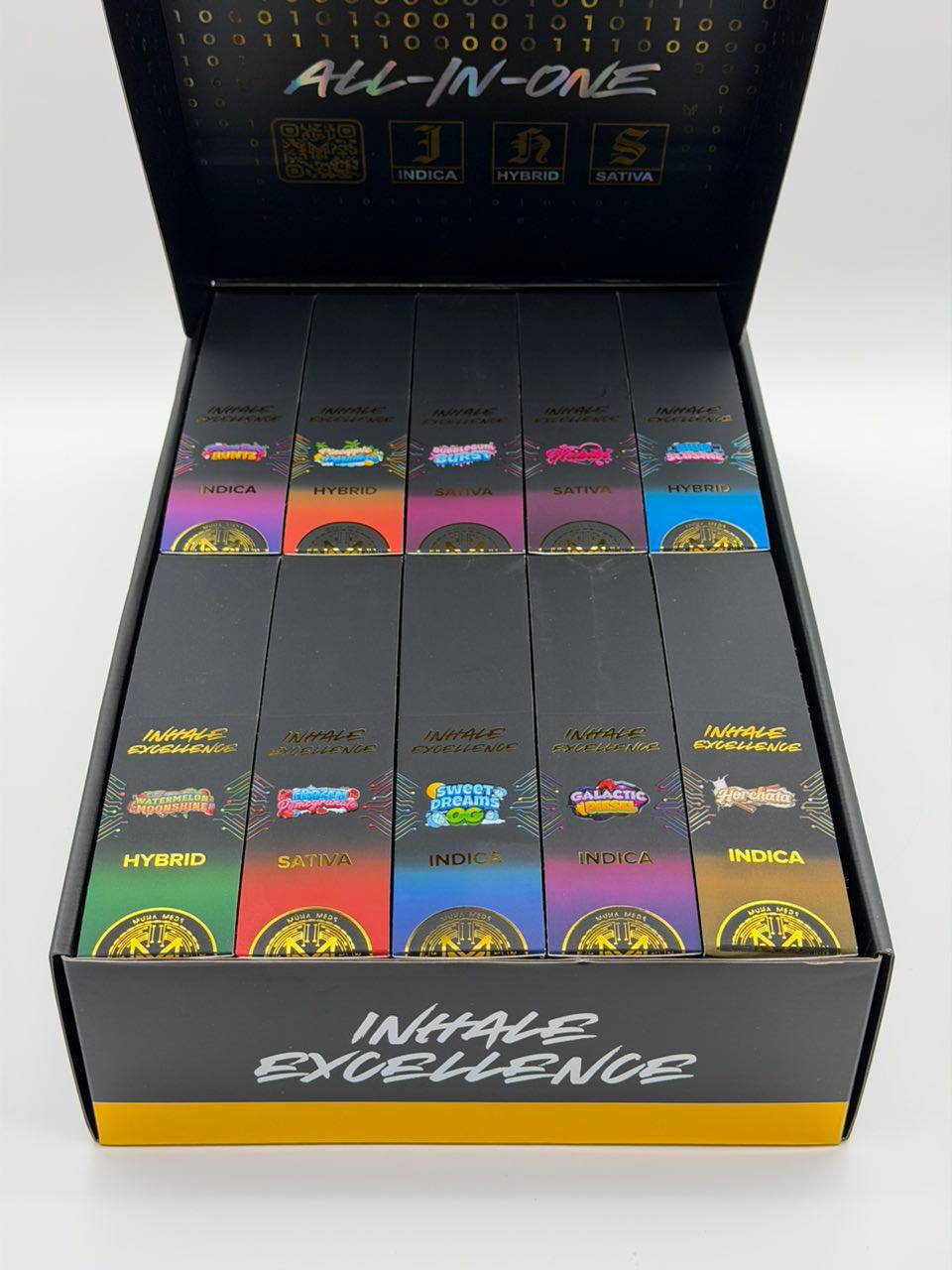
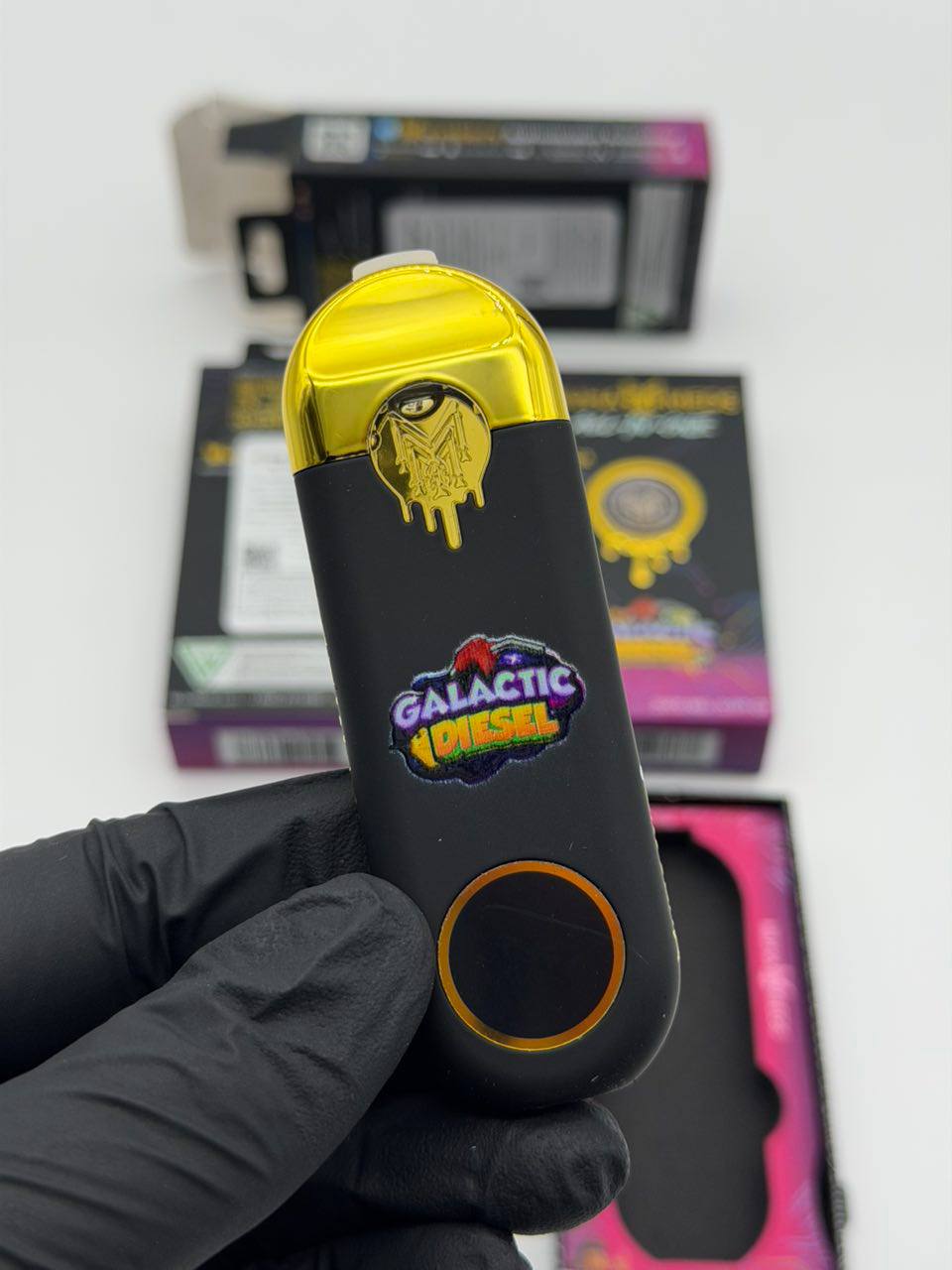
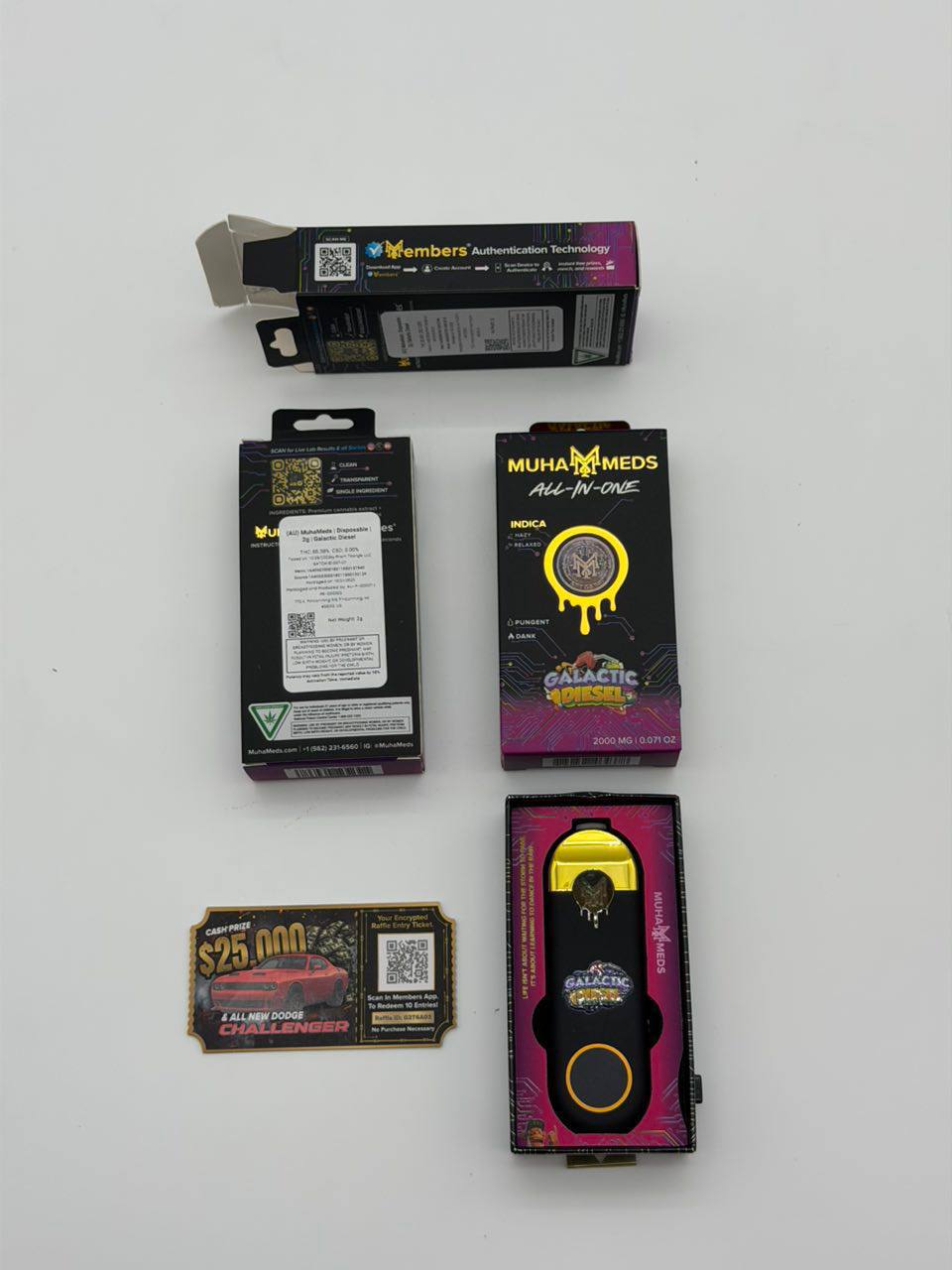
GTA Muha Meds 2G Disposable: Informational Product Overview
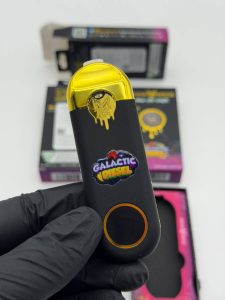
The GTA Muha Meds 2G Disposable is a portable vaporization device designed for use with pre-filled cannabis oil formulations where such products are legally available. The device combines a cartridge and battery into a single unit, creating an all-in-one format intended for convenience and portability.
A 2-gram capacity provides a larger volume than many standard disposable devices. As a result, users may require fewer device replacements during the product’s lifespan. The compact construction allows the unit to be carried easily in a pocket, bag, or storage case.
The device typically includes an integrated rechargeable battery that powers the heating element. Once activated, the heating system vaporizes the oil formulation contained within the reservoir. Depending on the specific version, activation may occur through inhalation or through a designated control mechanism.
Design features often focus on portability, ease of handling, and straightforward operation. Many disposable devices use lightweight materials that contribute to a compact profile while maintaining durability during normal handling and transportation.
The exterior housing is generally engineered to protect internal components from routine wear. In addition, the mouthpiece is positioned to support comfortable use. Manufacturing approaches vary by product version and production batch.
Storage conditions can influence overall performance. Cool, dry environments are commonly recommended to help preserve device functionality and maintain the integrity of the oil formulation. Excessive heat, direct sunlight, and prolonged exposure to moisture may affect product quality over time.
Battery performance can vary according to usage patterns, charging practices, environmental conditions, and manufacturing specifications. Rechargeable models are typically equipped with charging ports that allow users to replenish battery power when necessary.
Product specifications may differ between individual releases, flavors, formulations, and production runs. Therefore, consumers often review packaging information and manufacturer documentation for the most accurate details regarding ingredients, capacity, battery specifications, and operating instructions.
As with all vaporization devices, responsible handling and compliance with local laws and regulations remain important considerations. Products containing cannabis-derived ingredients may be restricted or prohibited in certain jurisdictions. Age restrictions and legal requirements also vary by location.
The GTA Muha Meds 2G Disposable represents a category of portable vaporization technology that combines oil storage, battery power, and vapor production in a single self-contained device. Its integrated design, compact dimensions, and larger capacity distinguish it from many smaller disposable alternatives available in regulated markets.
Device Construction and Component Overview
Modern disposable vaporization devices incorporate several components that work together to create a compact and portable system. The GTA Muha Meds 2G Disposable belongs to a category of products that integrates a battery, heating element, oil reservoir, airflow pathway, and mouthpiece into a single housing.
The battery serves as the power source for the device. Rechargeable batteries have become increasingly common because they allow the heating system to continue functioning even when the oil reservoir still contains material. Consequently, users can utilize more of the product before disposal.
The heating element converts electrical energy into heat. When activated, this component warms the oil formulation to a temperature that produces vapor. Different heating technologies may be used depending on manufacturing specifications and design priorities.
An internal reservoir stores the oil formulation. Reservoir design can influence consistency, airflow, and overall device performance. Therefore, manufacturers often focus on engineering solutions that promote reliable vapor production throughout the product’s lifespan.
The mouthpiece forms the final section of the airflow pathway. Its design may contribute to comfort, airflow efficiency, and ease of use. Although styles vary, most disposable devices emphasize portability and straightforward functionality.
Capacity Considerations
A 2-gram capacity distinguishes this category of device from smaller disposable alternatives. Capacity refers to the amount of oil formulation contained within the reservoir.
Larger-capacity devices often appeal to consumers seeking fewer product replacements. As a result, a 2-gram format has become increasingly visible in markets where cannabis-related products are legally regulated.
Capacity alone does not determine overall product performance. Instead, factors such as battery efficiency, heating technology, oil viscosity, and storage conditions may influence the user experience. Consequently, consumers frequently evaluate multiple specifications when comparing products.
Manufacturers continue to develop designs that balance capacity with portability. Therefore, larger reservoirs are often paired with compact external dimensions to maintain convenience during transport and storage.
Battery Technology
Battery systems play an essential role in disposable vaporization devices. Modern rechargeable batteries are designed to provide consistent power output while maintaining a compact profile.
Rechargeable functionality can help ensure that available oil remains accessible even after significant use. Consequently, many newer disposable devices incorporate charging ports as a standard feature.
Battery performance may vary due to several factors, including:
- Charging practices
- Ambient temperature
- Frequency of use
- Storage conditions
- Manufacturing specifications
- Device age
Appropriate charging methods may contribute to more reliable operation. Additionally, avoiding extreme temperatures may help maintain battery efficiency over time.
Many disposable devices use lithium-based battery technology because it provides a favorable balance between energy density and compact size. Therefore, manufacturers frequently select these battery systems for portable consumer products.
Airflow and Vapor Production
Airflow design represents another important aspect of device engineering. Internal airflow pathways influence how air travels through the device during activation.
Efficient airflow may contribute to smoother operation and consistent vapor production. Consequently, manufacturers often devote significant attention to channel design and airflow management.
Several factors can affect airflow performance:
- Reservoir design
- Heating element placement
- Internal channel dimensions
- Mouthpiece structure
- Oil viscosity
These variables interact throughout the product’s lifespan. Therefore, engineering decisions frequently focus on maintaining consistency from the first use through the final stages of product utilization.
Manufacturing and Quality Considerations
Product manufacturing involves multiple stages that may include component production, assembly, filling procedures, testing, and packaging.
Quality-control measures often focus on verifying device functionality, battery performance, airflow characteristics, and physical integrity. As a result, manufacturers typically conduct inspections before products enter distribution channels.
Production standards may vary between manufacturers and jurisdictions. Therefore, regulatory frameworks can influence manufacturing requirements, testing procedures, labeling practices, and packaging standards.
Documentation may include information regarding ingredients, batch identification, warnings, storage recommendations, and legal notices. Consequently, consumers often review packaging materials for product-specific details.
Storage and Handling Information
Storage conditions can affect many consumer products, including disposable vaporization devices. Appropriate storage practices may help preserve product quality and functionality.
Common storage recommendations frequently include:
- Keeping products in a cool environment
- Limiting exposure to direct sunlight
- Avoiding excessive humidity
- Preventing physical damage
- Following manufacturer guidance
Temperature fluctuations may influence oil consistency. Therefore, stable storage environments are often preferred.
Physical impacts can also affect product integrity. As a result, careful handling may help reduce the likelihood of damage to internal components.
Product Design Trends
The disposable vaporization market has evolved considerably during recent years. Manufacturers continue to introduce new designs that emphasize portability, battery efficiency, and improved construction techniques.
Several trends have emerged across the broader category:
- Larger reservoir capacities
- Rechargeable battery systems
- Enhanced airflow engineering
- Compact form factors
- Updated charging interfaces
- Refined exterior construction
These developments reflect ongoing efforts to improve device functionality while maintaining portability. Consequently, product designs continue to change as technology advances.

Regulatory Environment
Regulations governing cannabis-related products differ substantially across jurisdictions. Some regions permit regulated sales, while others prohibit such products entirely.
Requirements may address:
- Age restrictions
- Packaging standards
- Product testing
- Labeling requirements
- Distribution controls
- Consumer safety measures
Because regulations vary significantly, consumers often consult local laws before purchasing or possessing regulated products. Therefore, legal compliance remains an important consideration.
Consumer Information
Individuals researching disposable vaporization devices frequently evaluate several factors before making decisions. These considerations may include capacity, battery specifications, portability, charging features, and manufacturer information.
Product documentation can provide valuable information regarding operation, storage recommendations, and safety notices. Consequently, reviewing official packaging and manufacturer materials may help consumers better understand product specifications.
As disposable vaporization technology continues to develop, manufacturers are likely to introduce additional innovations focused on efficiency, reliability, and user convenience. Therefore, the category remains an area of ongoing technological development within regulated markets.
Evolution of Disposable Vaporization Devices
Disposable vaporization devices have undergone significant changes during the past decade. Early products often featured limited battery capacity and relatively simple heating systems. Over time, manufacturers introduced improvements that focused on reliability, consistency, and portability.
As technology advanced, rechargeable batteries became increasingly common. This change addressed a challenge associated with earlier devices, where battery depletion sometimes occurred before the reservoir was fully utilized. Consequently, rechargeable designs gained attention in many regulated markets.
At the same time, engineering developments improved airflow pathways and heating efficiency. Manufacturers also explored different materials for internal components, aiming to enhance durability and product consistency.
Larger-capacity formats emerged as another notable trend. Devices with capacities such as 2 grams became more visible as consumer preferences evolved. As a result, manufacturers adapted product designs to accommodate increased reservoir volume while maintaining compact dimensions.
Heating Systems and Performance Factors
The heating system is one of the most important components in a disposable vaporization device. Its purpose is to convert electrical energy into heat, which then vaporizes the formulation contained in the reservoir.
Different heating technologies may be used depending on product design. Although specific technical approaches vary, manufacturers generally focus on achieving consistent performance throughout the lifespan of the device.
Several factors may influence heating efficiency:
- Battery output
- Coil configuration
- Oil viscosity
- Airflow characteristics
- Environmental temperature
- Component quality
These factors interact during operation. Therefore, performance may vary under different conditions.
Manufacturers often conduct testing to evaluate how heating systems respond throughout extended periods of use. Consequently, quality assurance procedures frequently include assessments related to consistency and reliability.
Exterior Design and Portability
Portability remains one of the defining characteristics of disposable vaporization devices. Product designers often prioritize dimensions that allow devices to fit comfortably within a pocket, purse, or carrying case.
Exterior housings may be constructed from lightweight materials selected for durability and convenience. In addition, ergonomic considerations frequently influence shape, texture, and overall form.
Many products feature streamlined designs with minimal external controls. As a result, the device can maintain a clean appearance while reducing complexity.
Modern designs also incorporate charging ports in discreet locations. Therefore, rechargeable functionality can coexist with compact construction without substantially increasing overall size.

Packaging and Labeling
Packaging serves several purposes beyond simple product presentation. It may protect the device during transportation, communicate regulatory information, and provide product-specific details.
Labels often contain information such as:
- Product identification
- Capacity details
- Batch numbers
- Ingredient disclosures
- Storage recommendations
- Safety warnings
- Regulatory notices
Packaging requirements vary according to local regulations. Consequently, manufacturers frequently adapt labels to comply with jurisdiction-specific standards.
Tamper-evident features may also be included. As a result, consumers can identify whether packaging has been opened before purchase.
Shelf Life and Stability
Product stability depends on multiple factors, including storage conditions, formulation characteristics, and packaging quality.
Exposure to excessive heat may influence oil consistency. Similarly, prolonged sunlight exposure can affect certain product components. Therefore, many manufacturers recommend storage in cool, dry locations away from direct light sources.
Humidity may also influence overall product condition. Consequently, maintaining appropriate environmental conditions can help preserve product quality.
Shelf-life information is generally determined through testing and regulatory requirements. As a result, packaging may include expiration dates or recommended usage periods.
Consumer Awareness and Product Research
Consumers frequently conduct research before selecting products within regulated markets. Product specifications often play an important role in this process.
Common areas of interest include:
- Device capacity
- Rechargeability
- Construction quality
- Manufacturing standards
- Testing information
- Packaging details
Access to accurate product information may support informed decision-making. Therefore, manufacturers and regulators often emphasize transparency regarding product characteristics.
Educational resources may also help consumers understand technical terminology associated with vaporization devices. Consequently, product literacy has become increasingly important within many regulated industries.
Industry Innovation
Technological innovation continues to influence disposable vaporization device development. Manufacturers regularly explore new approaches intended to improve functionality and reliability.
Areas of ongoing development include:
- Battery efficiency improvements
- Advanced heating technologies
- Enhanced airflow systems
- Compact engineering solutions
- Sustainable material exploration
- Manufacturing process refinement
These innovations reflect broader trends within portable consumer electronics. As a result, product capabilities may continue to evolve in the future.
Environmental Considerations
Disposable devices contain multiple components, including batteries, electronic circuitry, and housing materials. Therefore, environmental considerations have become an increasingly important topic within the industry.
Some manufacturers investigate recycling initiatives and alternative materials designed to reduce environmental impact. In addition, consumers may seek information regarding proper disposal methods.
Battery disposal often requires special attention because lithium-based batteries should not typically be discarded with ordinary household waste. Consequently, local recycling programs may provide guidance regarding appropriate handling procedures.
Environmental discussions continue to shape product development strategies. Therefore, sustainability remains an area of ongoing interest across many technology-related industries.
Product Documentation and Transparency
Comprehensive documentation can help consumers better understand product specifications and operational characteristics.
Documentation may include information regarding:
- Device operation
- Charging recommendations
- Storage guidance
- Safety information
- Regulatory notices
- Manufacturer details
Transparent communication contributes to consumer awareness. As a result, many organizations emphasize accurate labeling and accessible educational materials.
Testing information may also play a role in product evaluation where regulations require disclosure. Consequently, documentation can serve as an important source of product-specific information.
Future Outlook
The disposable vaporization device category continues to evolve as technology, regulation, and consumer expectations change. Manufacturers are likely to pursue innovations that improve efficiency, consistency, and overall usability.
Battery systems may become more advanced. Likewise, engineering improvements could further enhance airflow performance and product reliability. At the same time, regulatory developments may influence testing standards, labeling requirements, and manufacturing practices.
As the industry develops, consumer education will remain important. Therefore, access to accurate information regarding product specifications, safety considerations, and legal requirements is likely to continue playing a significant role in informed decision-making.
The GTA Muha Meds 2G Disposable represents one example within a broader category of portable vaporization technology. Its design reflects contemporary trends that emphasize integrated functionality, rechargeable operation, compact construction, and higher-capacity formats. Through ongoing innovation and regulatory oversight, the category will likely continue adapting to changing technological and market conditions.
Understanding Device Maintenance
Although disposable vaporization devices are designed for convenience, basic maintenance awareness can contribute to a better understanding of how these products function. Most disposable units require little direct maintenance because the primary components are sealed within the housing.
Even so, keeping the mouthpiece free from dust and debris may help preserve airflow. Additionally, storing the device upright when possible can support consistent oil distribution within the reservoir.
Charging practices may also influence performance in rechargeable models. Using compatible charging equipment and following manufacturer guidance can help reduce unnecessary strain on battery components. Consequently, many product manuals include recommendations regarding charging duration and power sources.
Because disposable devices contain integrated electronics, exposure to water should generally be avoided. Moisture can affect internal circuitry and potentially reduce operational reliability. Therefore, dry storage conditions remain important throughout the product’s lifespan.
Materials and Construction Standards
Manufacturers often select materials based on durability, weight, and compatibility with internal components. Exterior housings may incorporate metal alloys, engineered plastics, or combinations of multiple materials.
Material selection influences several characteristics:
- Structural strength
- Device weight
- Heat management
- Portability
- Manufacturing efficiency
Internal components must also meet performance requirements. As a result, manufacturers frequently evaluate materials through testing procedures intended to assess reliability under normal operating conditions.
Advances in manufacturing technology have enabled increasingly precise component production. Consequently, modern disposable devices often demonstrate improved consistency compared with earlier generations.
Consumer Safety Information
Safety information forms an important part of product documentation. Manufacturers and regulatory agencies frequently provide guidance intended to reduce risks associated with improper handling.
Common recommendations may include:
- Keeping products away from children
- Avoiding exposure to extreme temperatures
- Following charging instructions
- Inspecting devices for visible damage
- Storing products securely
If a device shows signs of physical damage, discontinuing use may be appropriate until the product can be evaluated according to manufacturer recommendations. Therefore, visual inspection remains a practical precaution.
Product packaging often contains additional warnings specific to local regulatory requirements. Consequently, reviewing package information can provide important context regarding safe handling practices.
Product Authentication and Verification
In regulated markets, product verification has become an important topic. Manufacturers may implement authentication measures intended to help consumers identify legitimate products.
Verification systems can include:
- Batch identification numbers
- Security labels
- QR codes
- Verification portals
- Packaging authentication features
These measures are designed to improve transparency and consumer confidence. As a result, authentication practices have become increasingly common across many regulated product categories.
Consumers interested in verification information often consult official manufacturer resources and packaging documentation. Therefore, preserving original packaging may be useful for future reference.
Transportation and Travel Considerations
Transportation requirements vary according to local laws and regulations. Products that are legal in one jurisdiction may be restricted or prohibited in another.
Consequently, individuals should familiarize themselves with applicable regulations before transporting any regulated product. Legal requirements may differ between cities, regions, states, provinces, and countries.
Travel regulations can also change over time. Therefore, consulting current official guidance remains important when evaluating transportation considerations.
Market Trends and Consumer Preferences
Consumer preferences influence product development throughout the vaporization industry. Manufacturers analyze trends to better understand which features attract attention within regulated markets.
Several factors commonly receive consideration:
- Device size
- Capacity
- Rechargeability
- Portability
- Build quality
- Design aesthetics
As preferences evolve, manufacturers frequently adjust product offerings. Consequently, the market continues to experience ongoing innovation and diversification.
Higher-capacity devices represent one example of this trend. Increased reservoir volume has become more common as consumers seek products capable of longer operational periods between replacements.
Technology Integration
Modern portable electronics benefit from continuous technological advancement. Disposable vaporization devices have adopted many innovations that originated within broader consumer electronics industries.
Battery management systems, compact charging technologies, and miniaturized electronic components have contributed to product evolution. As a result, contemporary devices often provide functionality that would have been difficult to achieve in earlier generations.
Engineering improvements may continue to influence future product designs. Therefore, ongoing research and development remain important components of industry growth.
Conclusion
Disposable vaporization devices combine multiple technologies within a compact format. Battery systems, heating components, airflow pathways, reservoirs, and exterior housings work together to create a portable electronic device.
The GTA Muha Meds 2G Disposable represents a product category characterized by integrated design, rechargeable functionality, and increased capacity. Understanding these features from a technical and informational perspective can help consumers become more familiar with how such devices are constructed and operated.
As regulations, technology, and manufacturing standards continue to evolve, educational information will remain valuable. Accurate documentation, transparent labeling, and responsible product handling contribute to greater consumer awareness across regulated markets.


Reviews
There are no reviews yet.