
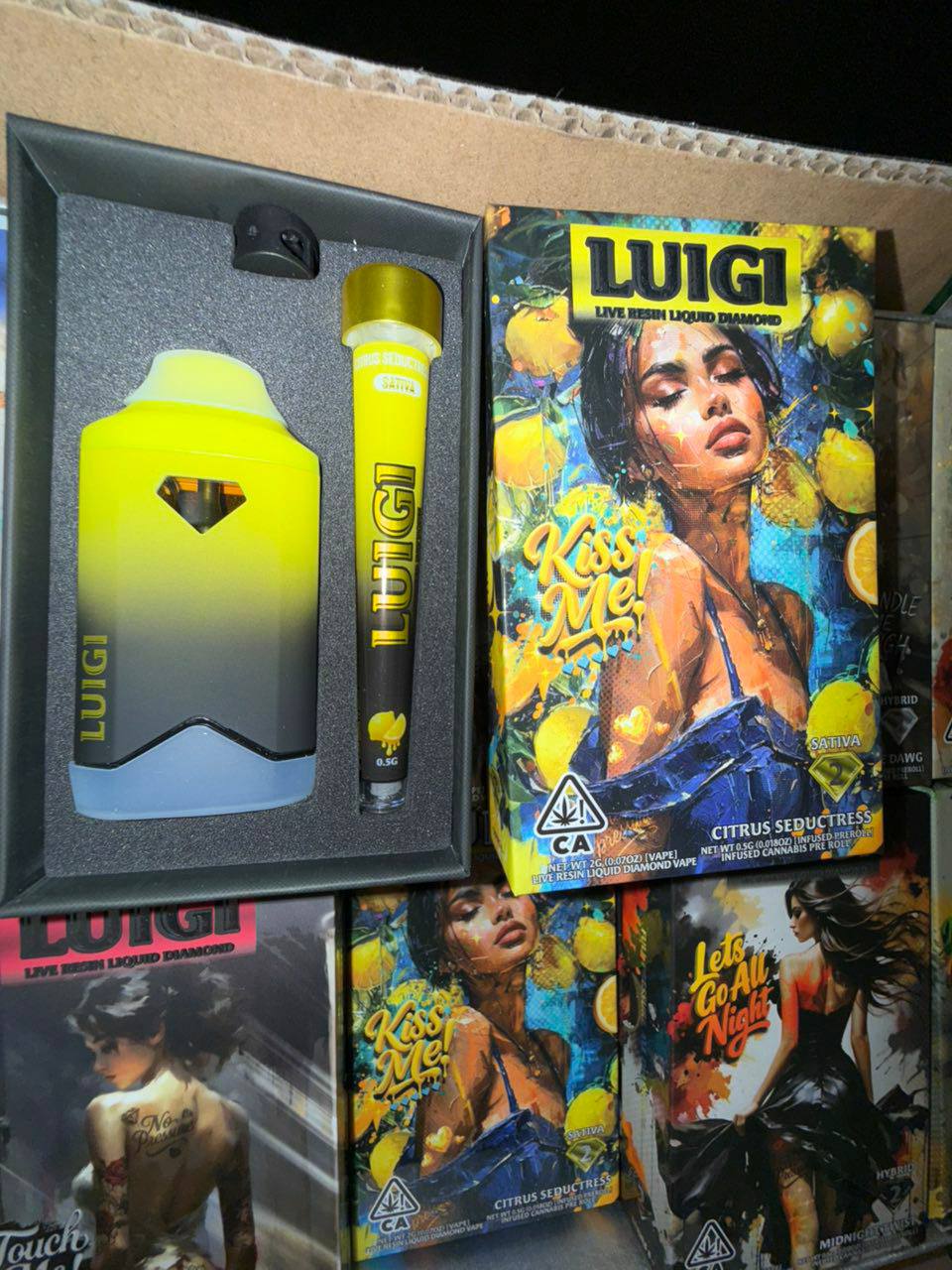


New luigi 2G Disposable
New luigi 2G disposable vape device is a portable, self-contained vaporization system designed for convenience and ease of use. These devices typically combine a battery, heating element, oil reservoir, and mouthpiece into a single unit. Because the components are integrated, no assembly or refilling is generally required by the end user.
The “2G” designation refers to the device’s approximate capacity. Compared with smaller-capacity alternatives, a 2G device may offer a longer period of use before disposal or recycling becomes necessary. Device longevity can vary based on factors such as puff duration, battery efficiency, storage conditions, and product formulation.
Modern disposable vape hardware often incorporates features intended to improve consistency and reliability. Examples include rechargeable batteries, optimized airflow pathways, leak-resistant construction, and advanced heating elements. Ceramic heating technology is commonly used in many contemporary devices because it can help distribute heat more evenly.
When evaluating disposable vape products, consumers frequently consider build quality, battery performance, manufacturing standards, ingredient transparency, and product authenticity. Independent laboratory testing, where available, may provide information regarding product composition and quality-control practices.
Proper storage plays an important role in maintaining device performance. Many manufacturers recommend keeping disposable vape devices in a cool, dry location away from direct sunlight and excessive heat. Extreme temperatures can affect battery function and product stability.
Environmental considerations are also relevant. Because disposable devices contain electronic components and batteries, responsible disposal through appropriate recycling or e-waste programs is encouraged whenever such services are available.
As vape technology continues to evolve, manufacturers are focusing on improved battery efficiency, enhanced safety features, better airflow design, and more durable construction. These developments reflect ongoing efforts to improve user experience while addressing product reliability and sustainability concerns.

Understanding 2G Disposable Vape Devices
A 2G disposable vape device is a portable, self-contained vaporization system designed for convenience and ease of use. These devices typically combine a battery, heating element, oil reservoir, and mouthpiece into a single unit. Because the components are integrated, no assembly or refilling is generally required by the end user.
The “2G” designation refers to the device’s approximate capacity. Compared with smaller-capacity alternatives, a 2G device may offer a longer period of use before disposal or recycling becomes necessary. Device longevity can vary based on factors such as puff duration, battery efficiency, storage conditions, and product formulation.
Modern disposable vape hardware often incorporates features intended to improve consistency and reliability. Examples include rechargeable batteries, optimized airflow pathways, leak-resistant construction, and advanced heating elements. Ceramic heating technology is commonly used in many contemporary devices because it can help distribute heat more evenly.
When evaluating disposable vape products, consumers frequently consider build quality, battery performance, manufacturing standards, ingredient transparency, and product authenticity. Independent laboratory testing, where available, may provide information regarding product composition and quality-control practices.
Proper storage plays an important role in maintaining device performance. Many manufacturers recommend keeping disposable vape devices in a cool, dry location away from direct sunlight and excessive heat. Extreme temperatures can affect battery function and product stability.
Environmental considerations are also relevant. Because disposable devices contain electronic components and batteries, responsible disposal through appropriate recycling or e-waste programs is encouraged whenever such services are available.
As vape technology continues to evolve, manufacturers are focusing on improved battery efficiency, enhanced safety features, better airflow design, and more durable construction. These developments reflect ongoing efforts to improve user experience while addressing product reliability and sustainability concerns.
The Evolution of Disposable Vape Devices
Disposable vape devices have undergone significant technological development over the years. Early products often focused on simplicity and portability, providing a compact alternative to larger vaping systems. As consumer expectations evolved, manufacturers began introducing more sophisticated features aimed at improving reliability, consistency, and overall functionality.
Advances in battery technology enabled longer-lasting performance, while improvements in heating systems enhanced vapor production efficiency. Furthermore, engineering innovations contributed to reduced leakage, improved airflow management, and more durable device construction.
Today, disposable devices are available in a wide range of configurations. Although designs vary among manufacturers, the overall objective remains similar: providing a self-contained vaping solution that requires minimal maintenance.
Manufacturing Standards and Production Processes
Manufacturing quality can influence nearly every aspect of a disposable vape device. From hardware durability to product consistency, production standards play a major role in determining overall performance.
Modern manufacturing facilities often utilize automated production systems that help maintain consistency across large production runs. Automated assembly may reduce variability while supporting more rigorous quality-control procedures.
Several stages are commonly involved in production:
Material Selection
Manufacturers typically evaluate materials based on durability, heat resistance, safety characteristics, and compatibility with device components. Batteries, heating elements, seals, and housing materials must function together effectively.
Assembly Procedures
During assembly, components are integrated into a compact unit. Precision is important because small inconsistencies can affect airflow, battery connections, or sealing effectiveness.
Quality Inspection
Inspection processes may include visual examination, leak testing, airflow verification, battery testing, and packaging review. These evaluations help identify potential issues before products reach distribution channels.
Packaging and Distribution
Packaging serves several functions. It protects the device during transportation, provides product information, and may include authentication features. Secure packaging can also help reduce the risk of tampering.
Understanding Device Capacity
Capacity is one of the most frequently discussed characteristics of disposable vape devices. It generally refers to the amount of material contained within the reservoir.
Larger-capacity devices are often designed to support extended usage periods. However, capacity alone does not determine overall performance. Several additional factors contribute to the user experience:
- Battery efficiency
- Heating element performance
- Airflow optimization
- Product formulation
- Environmental conditions
As a result, devices with similar capacities may perform differently depending on their engineering and manufacturing quality.

Common Challenges in Disposable Vape Hardware
Despite technological improvements, disposable vape devices can occasionally experience operational issues. Understanding these challenges helps explain why engineering advancements continue to be a focus within the industry.
Clogging
Clogging may occur when residue accumulates within airflow pathways. Temperature fluctuations can sometimes contribute to this issue by affecting material viscosity.
Leakage
Leaks can result from manufacturing defects, physical damage, improper storage, or seal failure. Modern devices often incorporate leak-resistant designs intended to minimize these risks.
Battery Depletion
Battery performance naturally declines as energy is consumed. Rechargeable designs address this concern by allowing additional charging cycles during the device’s usable lifespan.
Airflow Restriction
Restricted airflow may reduce vapor production or alter draw characteristics. Manufacturers continue refining airflow channels to improve consistency.
Consumer Education and Product Awareness
Consumer education has become increasingly important within the vaping industry. Informed consumers are often better equipped to evaluate product quality, understand device operation, and recognize potential concerns.
Educational resources frequently address topics such as:
- Product authenticity
- Hardware components
- Storage recommendations
- Proper disposal methods
- Regulatory requirements
- Safety considerations
Greater transparency can contribute to more informed purchasing decisions and improved product understanding.
The Role of Innovation in Product Development
Innovation continues to shape the future of disposable vape technology. Research and development efforts focus on enhancing performance while addressing consumer concerns related to reliability and sustainability.
Several areas of innovation are receiving significant attention:
Smart Power Management
Advanced power-management systems can improve battery efficiency while helping maintain consistent performance throughout the device’s lifespan.
Enhanced Heating Technology
New heating materials and designs aim to provide more uniform heat distribution and greater operational consistency.
Sustainable Materials
Manufacturers are increasingly exploring environmentally conscious materials that may reduce long-term environmental impact.
Improved Quality Assurance
Enhanced testing protocols and production monitoring systems support more consistent manufacturing outcomes.
Packaging Design and Consumer Information
Packaging serves as more than a protective layer. It also functions as an important communication tool between manufacturers and consumers.
Information commonly presented on packaging may include:
- Product specifications
- Usage instructions
- Storage recommendations
- Safety warnings
- Authentication details
- Regulatory disclosures
Clear and accurate labeling helps consumers understand product characteristics and make informed decisions.
Market Dynamics and Industry Growth
The vape industry has experienced substantial growth over the past decade. Consumer demand for convenience, portability, and simplicity has contributed to the popularity of disposable formats.
Several factors influence market development:
- Technological innovation
- Regulatory changes
- Consumer preferences
- Manufacturing capabilities
- Sustainability initiatives
As markets evolve, manufacturers often adjust product designs to address emerging trends and changing consumer expectations.
Research and Future Outlook
Researchers, manufacturers, and regulatory organizations continue examining various aspects of vaping technology. Areas of interest include hardware performance, manufacturing standards, environmental impact, and product safety.
Future developments may include:
- More efficient battery technologies
- Improved recycling systems
- Advanced manufacturing processes
- Greater transparency throughout supply chains
- Enhanced authentication measures
- Increased sustainability efforts
These developments may contribute to a more mature and technologically advanced industry over time.
Thoughts
Disposable vape devices represent a rapidly evolving segment of modern vaping technology. Advances in engineering, manufacturing, and quality assurance have transformed these products into increasingly sophisticated systems. Battery improvements, airflow innovations, and enhanced heating technologies continue driving product development across the industry.
At the same time, growing attention to authenticity, regulatory compliance, environmental responsibility, and consumer education highlights the broader considerations associated with these devices. As technology progresses, manufacturers and consumers alike are likely to place increasing emphasis on transparency, reliability, and sustainability.
Understanding how disposable vape devices function, how they are manufactured, and how they continue to evolve provides valuable context for anyone interested in the technology. Continued innovation and responsible industry practices will likely remain important influences on future developments in this rapidly changing field.
Consumer Preferences and Product Selection Factors
Consumer preferences often influence the direction of product development within the vaping industry. While individual priorities vary, several factors commonly affect purchasing decisions.
Device Portability
Portability remains one of the most attractive characteristics of disposable vape devices. Compact designs allow users to carry products conveniently during travel, commuting, or everyday activities. As a result, manufacturers frequently emphasize lightweight construction and ergonomic shapes.
Ease of Use
Many consumers appreciate devices that require minimal setup. Because disposable systems are generally preassembled, users can focus on device operation rather than maintenance procedures. This convenience continues to contribute to the popularity of disposable formats.
Reliability
Consistent performance is often considered an important indicator of product quality. Consumers generally prefer devices that maintain stable operation throughout their intended lifespan. Consequently, manufacturers invest considerable resources in improving hardware reliability and quality-control standards.
Design and Build Quality
Physical construction affects both appearance and durability. Well-designed devices typically incorporate sturdy materials, secure internal connections, and carefully engineered airflow systems. These characteristics may contribute to a more dependable user experience.
Supply Chain Transparency
Supply chain transparency has become an increasingly important topic across many industries, including vaping technology. Consumers often seek greater visibility regarding product origins, manufacturing practices, and quality assurance procedures.
Transparent supply chains may provide information about:
- Manufacturing locations
- Testing protocols
- Material sourcing
- Packaging standards
- Compliance procedures
Greater transparency can support consumer confidence while encouraging accountability throughout the production process.
The Importance of Product Testing
Product testing serves as a critical component of quality assurance. Comprehensive testing procedures help identify potential defects before products enter the marketplace.
Hardware Testing
Hardware evaluations may assess battery functionality, airflow performance, structural integrity, and charging reliability. These assessments help verify that devices operate according to design specifications.
Stability Assessments
Stability evaluations examine how products perform under different environmental conditions. Temperature fluctuations, humidity exposure, and transportation stress may all influence device performance.
Packaging Verification
Packaging inspections help ensure that products remain protected during storage and shipping. Secure packaging may also reduce the likelihood of contamination or tampering.
Technological Integration and Future Possibilities
Technological advancements continue creating new opportunities within the vaping industry. As research progresses, future devices may incorporate increasingly sophisticated features.
Potential areas of development include:
Enhanced Battery Management
Future battery systems may offer improved efficiency, longer operational life, and more precise power regulation. These improvements could contribute to greater consistency and reliability.
Advanced Sensor Technology
Sensor systems may continue evolving to improve activation responsiveness and airflow detection. More accurate sensors could enhance overall device performance.
Sustainable Manufacturing Solutions
Environmental considerations are expected to remain a major focus. Manufacturers may continue exploring recyclable materials, reduced packaging waste, and more sustainable production methods.

Smart Authentication Systems
Counterfeit prevention technologies may become more advanced through the use of digital verification systems, secure tracking methods, and enhanced packaging security features.
Industry Challenges
Although the vaping industry has experienced substantial growth, several challenges remain.
Regulatory Complexity
Regulations vary considerably across jurisdictions. Manufacturers operating internationally must navigate diverse legal requirements while maintaining compliance in multiple markets.
Environmental Concerns
Disposable products inevitably generate waste. Industry stakeholders continue exploring strategies that balance convenience with environmental responsibility.
Consumer Education
Providing accurate information remains essential. Educational initiatives help consumers understand product features, quality indicators, and responsible disposal practices.
Product Standardization
Differences in manufacturing practices can create variability across products. Continued efforts toward standardization may help improve consistency and transparency throughout the industry.
Global Market Perspectives
Different regions often exhibit unique consumer preferences and regulatory environments. These differences influence product availability, design priorities, and manufacturing approaches.
In some markets, strict regulations emphasize testing and disclosure requirements. Elsewhere, evolving policies continue shaping industry development. Manufacturers frequently adapt products and packaging to meet the expectations of specific regions while complying with local regulations.
Global competition has also encouraged innovation. As companies seek to differentiate themselves, investments in research, engineering, and quality assurance continue increasing.
Looking Ahead
The future of disposable vape technology will likely be influenced by several interconnected factors, including technological innovation, consumer expectations, sustainability goals, and regulatory developments.
Manufacturers are expected to continue refining hardware systems while pursuing greater efficiency and reliability. At the same time, consumers may increasingly prioritize transparency, product quality, and environmental responsibility.
These evolving priorities suggest that future products may feature improved materials, more advanced engineering, and enhanced sustainability initiatives. Consequently, the industry is likely to remain a dynamic area of technological development for years to come.
Extended Conclusion
Disposable vape devices have transformed significantly from their early designs. Improvements in battery systems, heating technology, airflow engineering, and manufacturing standards have contributed to more sophisticated products across the market.
Equally important, discussions surrounding quality assurance, environmental impact, consumer education, and regulatory compliance have become central to industry development. These considerations extend beyond individual products and reflect broader trends affecting the entire sector.
As innovation continues, manufacturers, regulators, and consumers will each play a role in shaping the future of vaping technology. Continued attention to safety, transparency, sustainability, and product reliability may help guide the industry’s next stage of evolution.
Understanding these developments provides valuable insight into the technology, manufacturing processes, and market dynamics that influence modern disposable vape devices.
Understanding Product Lifecycle Management
Every disposable vape device follows a product lifecycle that begins with design and development and ends with disposal or recycling. Examining each stage provides insight into how manufacturers approach product creation and quality management.
Research and Development
Research and development teams evaluate market trends, technological opportunities, and manufacturing capabilities before introducing new hardware designs. During this stage, engineers often test multiple prototypes to identify strengths and weaknesses.
Prototype testing may assess:
- Battery efficiency
- Airflow consistency
- Structural durability
- Material compatibility
- User experience factors
These evaluations help refine product designs before large-scale manufacturing begins.
Production Scaling
Once a design has been approved, production processes are expanded to accommodate larger manufacturing volumes. Scaling production introduces additional challenges, including maintaining consistency across thousands of units.
To address these challenges, manufacturers frequently implement standardized operating procedures and automated inspection systems.
Distribution and Retail Availability
Following production, products move through distribution networks before reaching retail locations. Transportation conditions, storage environments, and handling procedures may influence product quality during this phase.
Manufacturers often establish packaging standards intended to protect products throughout the supply chain.
Material Science and Device Construction
Material selection plays a significant role in disposable vape design. Components must withstand repeated heating cycles while maintaining structural integrity.
External Housing Materials
The outer shell serves several purposes. It protects internal components, contributes to device durability, and influences overall aesthetics.
Common considerations include:
- Impact resistance
- Weight
- Heat tolerance
- Manufacturing cost
- Recyclability
Internal Component Materials
Internal components require specialized materials capable of functioning under demanding conditions. Engineers carefully evaluate conductivity, durability, and compatibility when selecting materials for batteries, heating elements, and airflow systems.
Seal Technology
Effective seals help prevent leakage and contamination. Modern devices often incorporate multiple sealing points to improve reliability.
Advances in seal technology have contributed significantly to reduced leakage rates across many product categories.
Quality Control Systems
Quality control extends beyond final product inspection. Comprehensive quality management systems typically monitor production from beginning to end.
Incoming Material Verification
Manufacturers may inspect raw materials before production begins. This process helps verify that components meet required specifications.
In-Process Monitoring
Production monitoring allows manufacturers to identify potential issues during assembly rather than after completion.
Benefits of in-process monitoring include:
- Earlier defect detection
- Reduced waste
- Improved efficiency
- Greater consistency
Final Product Evaluation
Completed devices may undergo functional testing to confirm proper operation. Testing protocols often vary depending on product design and regulatory requirements.
Consumer Expectations in Modern Markets
Consumer expectations continue evolving as technology advances. Modern consumers frequently seek products that combine convenience with reliability and transparency.
Several expectations have become increasingly common:
Consistency
Consumers generally expect products to perform similarly from one unit to another. Consistency is often viewed as a key indicator of manufacturing quality.
Information Accessibility
Access to accurate product information has become increasingly important. Many consumers appreciate detailed specifications, testing information, and clear labeling.
Environmental Awareness
Environmental considerations influence purchasing decisions for many individuals. Consequently, sustainability initiatives continue receiving greater attention across the industry.
The Role of Packaging Innovation
Packaging innovation extends beyond appearance. Modern packaging systems often integrate features designed to enhance security, durability, and consumer confidence.
Examples include:
- Tamper-evident seals
- Authentication systems
- Protective inserts
- Informational labeling
- Recyclable materials
These features can improve both product protection and user experience.
Emerging Sustainability Strategies
Sustainability remains a major topic throughout the electronics and consumer goods industries. Disposable vape manufacturers face unique challenges because products contain multiple materials and integrated batteries.
Several strategies are being explored:
Material Reduction
Reducing material usage may help decrease overall environmental impact while maintaining product functionality.
Recycling Programs
Dedicated recycling initiatives can help divert electronic waste from landfills and recover valuable materials.
Design Improvements
Future products may incorporate design changes intended to simplify recycling and material recovery processes.
Consumer Education
Educating consumers about proper disposal methods can support sustainability efforts and improve recycling participation.
Industry Collaboration
Industry progress often depends on collaboration among manufacturers, researchers, regulators, and consumer advocacy organizations.
Collaborative initiatives may focus on:
- Product safety standards
- Environmental sustainability
- Quality assurance practices
- Manufacturing transparency
- Consumer education programs
These efforts can contribute to broader improvements across the industry.
Long-Term Outlook
As technology continues advancing, disposable vape devices will likely undergo further refinement. Battery systems may become more efficient, manufacturing processes may become more precise, and sustainability initiatives may gain greater prominence.
At the same time, consumer expectations are expected to continue evolving. Transparency, quality, reliability, and environmental responsibility will likely remain important considerations influencing future product development.
The intersection of technology, regulation, and consumer demand will continue shaping the direction of the industry. Understanding these factors provides valuable context for evaluating current products and anticipating future innovations.
Conclusion: Technology, Responsibility, and Innovation
Disposable vape technology represents a complex combination of engineering, manufacturing, and consumer-focused design. From battery systems and airflow pathways to quality assurance programs and sustainability initiatives, numerous factors contribute to the performance and development of these devices.
The industry’s future will likely be influenced by continued innovation, stronger quality standards, and increasing attention to environmental considerations. As manufacturers pursue new technologies and consumers seek greater transparency, the evolution of disposable vape devices is expected to remain an active area of technological advancement.
For observers, researchers, and consumers alike, understanding the broader context surrounding disposable vape technology offers a more complete perspective on this rapidly developing field.


Reviews
There are no reviews yet.